
What the science shows and small shifts that can make a big difference

Key Takeaways
Ultra-processed foods (UPFs) are everywhere — in many high-income countries, they make up more than half of daily calories, especially from items like sodas, packaged snacks, sweetened cereals, frozen entrées, and fast food.
Higher intake of UPFs is consistently linked with poorer health outcomes, including higher rates of obesity, Type 2 diabetes, cardiovascular disease, early colorectal polyps, and other chronic conditions, although most of the evidence is observational.
Processing alone doesn’t determine whether a food supports health. Some minimally processed animal foods are associated with increased disease risk, while certain ultra-processed plant-based products may be an improvement when they replace animal-based meats, eggs, or dairy—but they’re best seen as transitional options, not the final destination.
The biggest benefits come from centering whole-food plant-based meals and snacks. Building your diet around fruits, vegetables, legumes, whole grains, nuts, and seeds—and making simple swaps in that direction over time—can meaningfully improve daily habits and long-term health.
Ultra-Processed with Dr. Michael Greger

On December 9, 2025, Michael Greger, MD joined RLMI for a Lifestyle as Medicine Lecture exploring the role of ultra-processed plant-based products in the diet.
The full recording is now available to RLMI Community subscribers. Not yet a member? Sign up for a 30-day free trial to watch the lecture and explore more life-changing resources—no credit card required.
What Are Ultra-Processed Foods?
Understanding the Difference Between Processed and Ultra-Processed
Ultra-processed foods (UPFs) are increasingly recognized in nutrition research as a distinct category of products associated with different health outcomes than minimally processed or traditionally processed foods.
Processed foods
These are foods that have been altered from their original form but still resemble recognizable ingredients. Examples include pasta, tofu, canned beans, whole-grain bread, and frozen vegetables. Processing can improve safety, affordability, or convenience without necessarily diminishing nutritional value.
Ultra-processed foods
Ultra-processed foods, in contrast, are industrially formulated products made with ingredients and manufacturing steps not used in home kitchens. These products often contain additives such as flavorings, colorings, emulsifiers, stabilizers, or protein isolates, along with refined starches, oils, or sweeteners.
They are typically designed to be shelf-stable, convenient, and highly palatable.
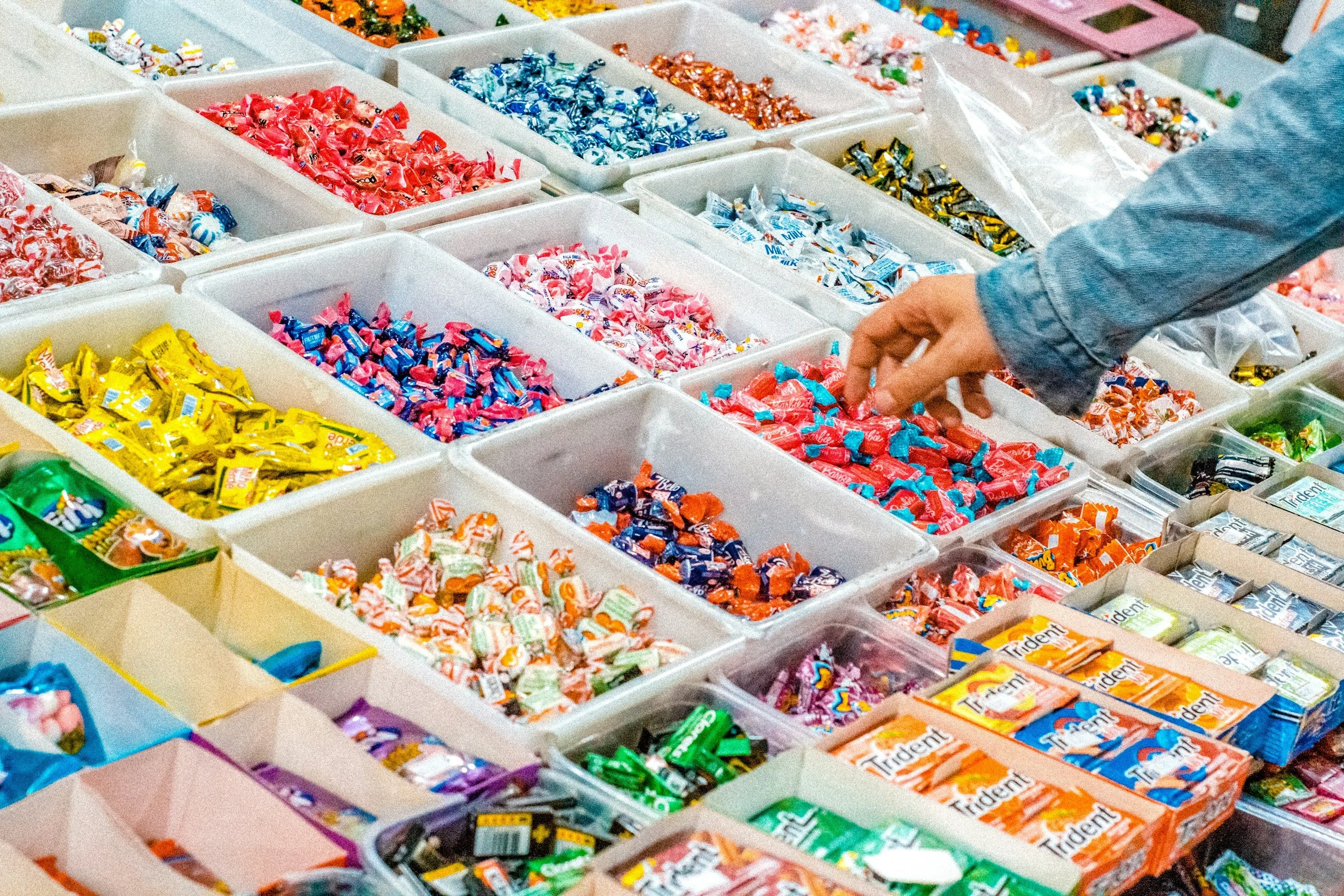
Common examples of UPFs include:
Sugary sodas
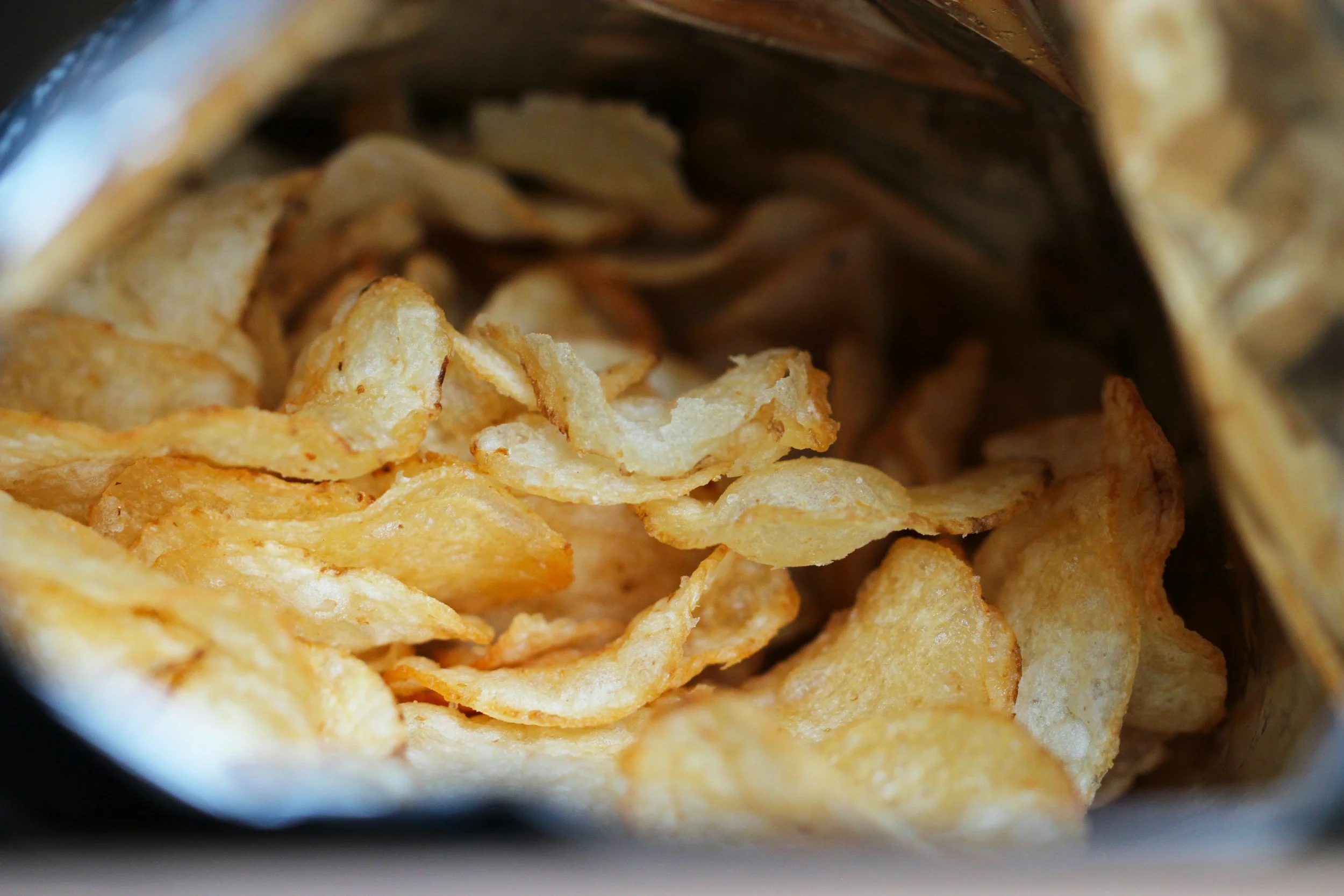
Packaged snack foods (chips, crackers, cookies)
Sweetened breakfast cereals
Candy
Frozen entrées and fast-food items
Many packaged desserts
Reconstituted meats like chicken nuggets or fast-food patties
In the United States and other high-income countries, ultra-processed foods account for more than half of total daily caloric intake among both adults and children. (1)
Fast Facts: Whole, Processed, or Ultra-Processed?
Are scrambled eggs processed?
Yes. Cooking is a form of processing, though eggs are not considered ultra-processed. Of course, how processed a food is only tells part of the story when evaluating its overall healthfulness—we’ll touch more on that later in the post.
Is peanut butter ultra-processed?
It depends. Peanut butter made from just peanuts (and sometimes salt) is processed but not ultra-processed, while versions with added sugars, oils, or emulsifiers fall into the ultra-processed category.
Is pasta ultra-processed?
No. Most dried pasta is made from just flour and water, so it’s considered processed rather than ultra-processed. Whole-wheat pasta contains the entire grain and offers more fiber, while white pasta is more refined but still not classified as ultra-processed.
Is Greek yogurt ultra-processed?
Plain Greek yogurt is generally considered processed, while many flavored varieties are ultra-processed because of added sugars, stabilizers, and flavorings. The same applies to dairy-free yogurt alternatives.
What are the most ultra-processed foods?
Sodas, packaged sweets, sweetened cereals, flavored chips, ready-to-heat frozen meals, and many fast-food items are among the most prevalent UPFs in the modern Western diet.
What the Research Shows About Ultra-Processed Foods and Health
Over the last decade, research has increasingly explored how ultra-processed foods relate to weight, metabolic health, and long-term disease risk.
Most studies are observational—meaning they show associations, not cause and effect—but taken together, the consistency across populations has led many public health agencies, including the National Institutes of Health (NIH), to consider ultra-processed food intake a significant area of concern.
For readers interested in a deeper scientific dive, Dr. Michael Greger’s book, Ultra-Processed Foods: Concerns, Controversies, and Exceptions, will explore this topic in detail.
Colorectal polyps and early-onset colorectal cancer
One large U.S. study of more than 29,000 women found that those who consumed the most ultra-processed foods before age 50 had significantly higher odds of developing precancerous colorectal adenomas.(2) While this does not establish causation, it aligns with emerging evidence surrounding early-onset colorectal cancer.
Metabolic and cardiovascular outcomes
Multiple prospective cohort studies have reported associations between higher ultra-processed food intake and increased risk of obesity, Type 2 diabetes, and cardiovascular disease.(3) Several hypotheses exist—such as higher energy density, lower fiber, or additives influencing satiety—but more research is needed to understand the mechanisms.
Insights from a controlled feeding study
One of the clearest experimental demonstrations of how processing may affect eating behavior comes from a short inpatient randomized controlled trial. For two weeks, adults consumed minimally processed meals; for another two weeks, they consumed mostly ultra-processed foods. Although nutrient profiles were matched, participants ate significantly more calories during the ultra-processed phase and gained weight.(4)
Dr. Greger explains the study and its implications in the video below.
Other health outcomes
Observational studies also link higher intake of ultra-processed foods with increased risk of depression, frailty, inflammatory bowel disease, and all-cause mortality.(5) Among children and adolescents, greater intake has been associated with asthma and markers of oxidative stress.(6) Although these findings require further experimental study, they point to important areas for continued research.
Is Less Processed Always Healthier?
Not always. While the degree of processing can influence a food’s nutritional quality, processing alone doesn’t determine whether a food supports health. For example, some minimally processed animal-based foods—such as red meat or eggs—are associated in research with higher long-term risks of certain chronic diseases.(7) Meanwhile, many plant-based meat, egg, or dairy substitutes are ultra-processed, yet when used in place of their animal-based counterparts, they may help reduce intake of components like saturated fat or cholesterol.
These products aren’t meant to replace whole foods, but they can serve as transitional or situational options within a broader eating pattern that emphasizes whole, minimally processed ingredients. The key idea is that the overall dietary pattern, and what a food replaces, matters more than the processing category alone.
Simple Whole-Food Plant-Based Swaps
Making healthier choices is easier when the path is clear—but in the U.S. food system, ultra-processed options are often the most accessible, affordable, and heavily marketed. This creates real barriers, and not everyone has equal access to fresh, whole ingredients or reliable nutrition education.
Understanding how foods differ—and where simple swaps can make a meaningful difference—is an important first step toward empowering people to choose more nourishing options whenever they can.
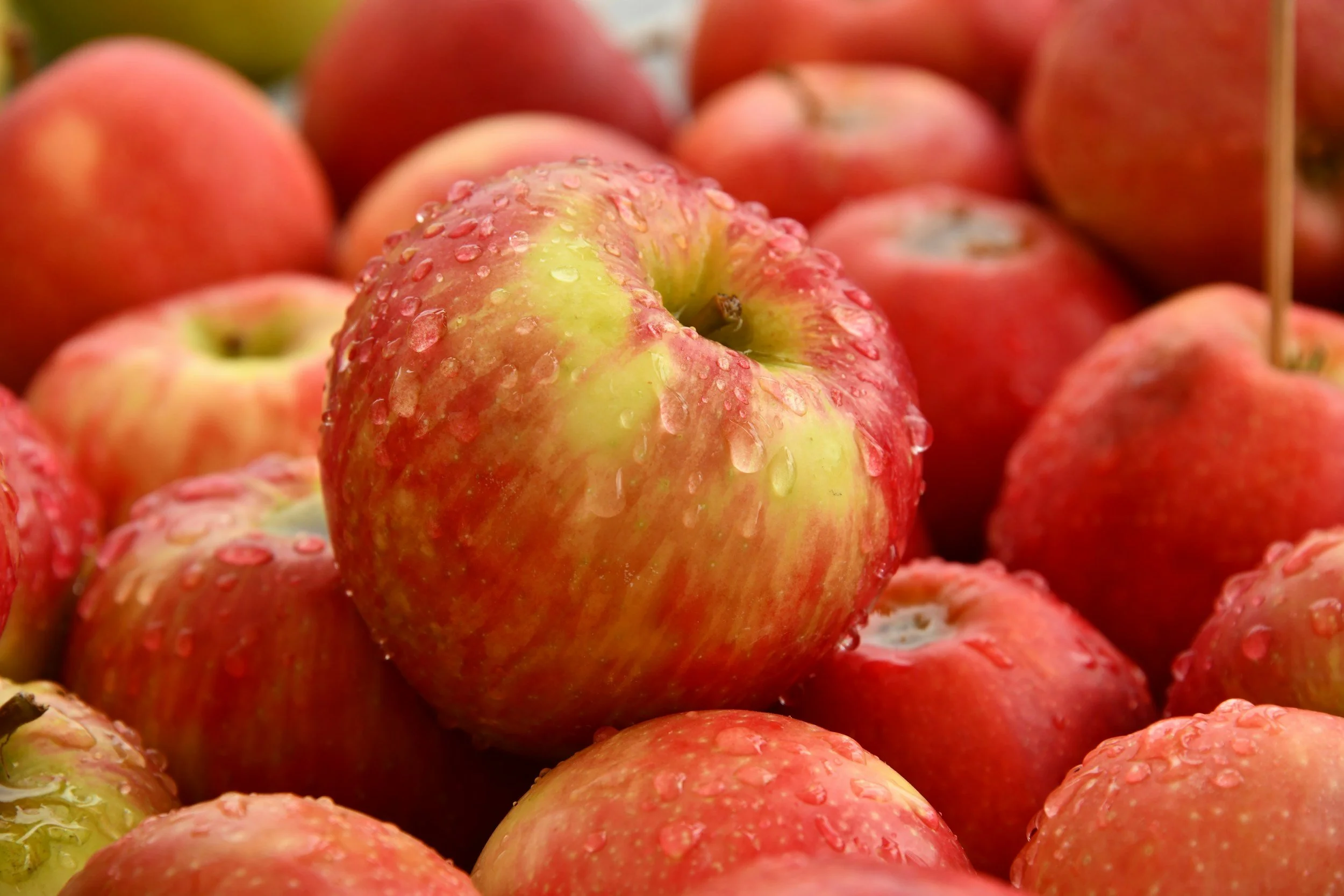
“Those who think healthy foods can’t be convenient have never met an apple.”
— Dr. Michael Greger
While processing alone doesn’t determine whether a food supports health—as we’ve discussed, sometimes a more processed plant-based option is healthier than its minimally processed animal-based counterpart—there is almost always a whole-food alternative that moves you further in the right direction.
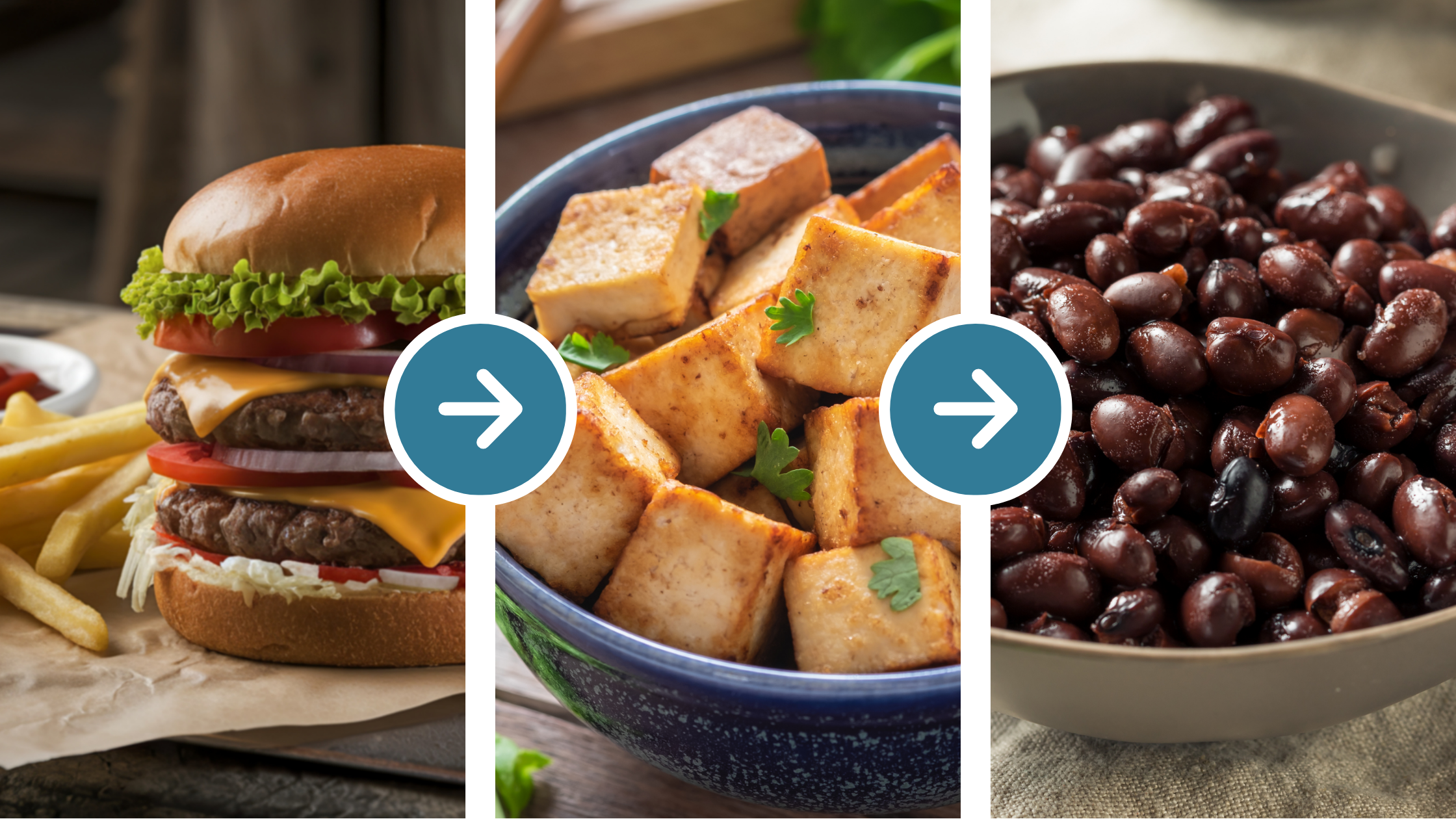
Avoid → Limit → Enjoy Often
This guide offers suggestions for making gradual, meaningful upgrades, one small swap at a time.
Meat → Plant-Based Meats → Whole-Food Plant Proteins
Avoid: Animal-based meats of all kinds (including poultry, fish, and red or processed meats), which are associated in observational research with higher long-term risks of chronic disease.(7)
Limit: Plant-based meat alternatives. Though ultra-processed, they can be a helpful bridge for people reducing or eliminating meat, and research shows that replacing animal meats with these products may improve certain cardiometabolic markers.(8)
Enjoy Often: Whole-food plant proteins such as lentils, chickpeas, tofu, tempeh, and bean-based burgers—foods that provide fiber, essential nutrients, and the savory textures many people look for in meat.
Eggs → Egg Substitutes → Whole-Food “Eggy” Alternatives
Avoid: Eggs. Though minimally processed, observational studies associate higher egg and dietary cholesterol intake with increased cardiovascular disease risk.(7)
Limit: Ultra-processed egg replacements (e.g., JUST Egg). These serve as convenient transitional options for replacing eggs and can help people shift away from cholesterol-containing foods while still enjoying familiar textures and uses.
Enjoy Often: Whole-food plant-based “eggy” dishes made with tofu, chickpea flour, vegetables, and spices—nourishing, fiber-rich options that can be seasoned and cooked to resemble many egg-based favorites.
Dairy → Plant-based Dairy Alternatives → Whole-Food Plant-Based Sauces and Spreads
Avoid: Dairy products of all kinds (milk, yogurt, cheese, cream, and butter). Though minimally processed, dairy contributes saturated fat and cholesterol and has been associated in observational research with higher risks of certain chronic conditions, including prostate cancer and cardiovascular disease.(9)
Limit: Plant-based dairy alternatives (such as almond, oat, soy, or cashew milk; coconut yogurt; or nondairy cheeses). These products vary widely in processing and added ingredients, but they are helpful replacements for dairy and can ease the transition toward a whole-food plant-based eating pattern.
Enjoy Often: Whole-food sources of creaminess and flavor—blended cashews, silken tofu, cannellini beans, butternut squash, sweet potatoes, bananas, or oats—used in sauces, soups, dips, dressings, and desserts.
Processed Snacks → Packaged Plant-Based Snacks → Whole-Food Snacks
Avoid: Ultra-processed snack foods such as chips, candy, packaged pastries, and other products engineered for overeating. These items are typically high in added sugars, refined starches, and artificial ingredients—and are easy to overconsume.
Limit: Packaged plant-based snacks like whole-grain crackers, baked chips, or lightly sweetened granola bars. These options are still processed, but they can be a helpful step away from ultra-processed snack foods, especially when they contain simpler ingredient lists or more whole-food components.
Enjoy Often: Whole-food snacks you can assemble or prepare at home—fresh fruit, vegetables with oil-free hummus, roasted chickpeas, or air-popped popcorn. These foods are satisfying, nutrient-dense, and give you the flavors or crunch you may be looking for without relying on ultra-processed products.
Sugary/Diet Beverages → Flavored Seltzers → Whole-Food Beverages
Avoid: Sugary sodas and artificially sweetened drinks, which contribute substantially to added sugar intake and are easy to overconsume without providing satiety or nutritional value.
Limit: Packaged flavored seltzers or minimally sweetened teas. While still processed, these can help people transition away from heavily sweetened beverages and reduce added sugars or artificial sweeteners.
Enjoy Often: Simple, hydrating whole-food beverages like water, sparkling water with citrus, herbal tea, or homemade fruit-infused water—easy, refreshing options that deliver flavor without relying on ultra-processed formulations.
Healthier eating isn’t just about prioritizing whole foods over more processed ones—it’s about centering whole-food plant-based meals and snacks that truly nourish. Transitional products can help, but the biggest benefits come from building your diet around fruits, vegetables, legumes, whole grains, nuts, and seeds.
It’s simple shifts like these that stack up over time to meaningfully improve daily habits and long-term health.
Get Support to Take the First Step Today
If you’re curious about putting these ideas into practice with structure, guidance, and community support, RLMI offers these powerful resources:
🌱 The 15-Day Whole-Food Plant-Based Jumpstart
A transformative, evidence-based immersion program that helps participants lower cholesterol, improve blood pressure, lose weight, reduce medication needs, and build sustainable habits.
🌍 The RLMI Community
Want ongoing support? Our online community includes weekly live events, cooking demos, Q&A sessions, group discussions, and more.
🎓 Educational Lectures & Lifestyle Medicine Grand Rounds
RLMI hosts regular expert lectures and monthly case-based learning sessions. These programs explore real patient stories, evidence-based interventions, and practical strategies for behavior change—all designed to help you stay informed and inspired.
Lifestyle as Medicine Lecture Series (LAMS):
Lifestyle Medicine Grand Rounds (LMGRS):
Sources Cited
Ultra-processed food intake in the United States
Williams A, Couch C, Emmerich S, and Ogburn D. Ultra-processed Food Consumption in Youth and Adults: United States, August 2021–August 2023. NCHS Data Brief No. 536. August 2025. Accessed December 2025. https://www.cdc.gov/nchs/products/databriefs/db536.htm
Early-onset colorectal adenomas and ultra-processed food intake
Wang C, Mengxi D, Kim H, et al. Ultraprocessed Food Consumption and Risk of Early-Onset Colorectal Cancer Precursors Among Women. JAMA Oncology. Published online November 13, 2025. https://jamanetwork.com/journals/jamaoncology/fullarticle/2841354
Ultra-processed foods and metabolic or cardiovascular health outcomes
Monteiro CA, Moubarac J-C, Levy RB, Canella DS, Louzada ML, Cannon G. Household availability of ultra-processed foods and obesity in nineteen European countries. Public Health Nutr. 2018;21(1):18–26. https://pubmed.ncbi.nlm.nih.gov/28714422/
Srour B, Fezeu LK, Kesse-Guyot E, et al. Ultra-processed food intake and risk of cardiovascular disease: prospective cohort study (NutriNet-Santé). BMJ. 2019;365:l1451. https://www.bmj.com/content/365/bmj.l1451
Controlled feeding study on ultra-processed diets and calorie intake
Hall KD, Ayuketah A, Brychta R, et al. Ultra-processed diets cause excess calorie intake and weight gain: An inpatient randomized controlled trial of ad libitum food intake. Cell Metab. 2019;30(1):67–77.e3. https://www.cell.com/cell-metabolism/fulltext/S1550-4131(19)30248-7
Ultra-processed food intake and other chronic health outcomes
Adjibade M, Julia C, Allès B, et al. Prospective association between ultra-processed food consumption and incident depressive symptoms in the French NutriNet-Santé cohort. BMC Medicine. 2019;17(1):78.
https://pubmed.ncbi.nlm.nih.gov/30982472/Bonaccio M, Di Castelnuovo A, Costanzo S, et al. Ultra-processed food intake and mortality and cardiovascular disease: The Moli-sani Study. Eur Heart J. 2022;43(3):213–224. https://pubmed.ncbi.nlm.nih.gov/34849691/
Wu S, Yang Z, Liu S, et al. Ultra-Processed Food Consumption and Long-Term Risk of Irritable Bowel Syndrome: A Large-Scale Prospective Cohort Study. Clin Gastroenterol Hepatol. 2024 Jul;22(7):1497-1507.e5.2024;22(8):1600–1610.e3. https://pubmed.ncbi.nlm.nih.gov/38522476/
Ultra-processed food intake and health markers in children and adolescents
Costa CS, Del-Ponte B, Assunção MCF, Santos IS. Consumption of ultra-processed foods and body fat during childhood and adolescence: A systematic review. Public Health Nutrition. 2018;21(1):148–159.
https://pubmed.ncbi.nlm.nih.gov/28676132/Del Giudice MM, Dinardo G, Grella C, et al. Ultra-Processed Foods and Respiratory and Allergic Diseases in Childhood: Epidemiological Evidence and Mechanistic Insights. Nutrients. 2025 Oct 17;17(20):3269. https://pubmed.ncbi.nlm.nih.gov/41156520/
Associations between animal-based foods and chronic disease risk
Pan A, Sun Q, Bernstein AM, et al. Red meat consumption and mortality: results from two prospective cohort studies. Arch Intern Med. 2012;172(7):555–563. https://pubmed.ncbi.nlm.nih.gov/22412075/
Zhong VW, Van Horn L, Greenland P, et al. Associations of dietary cholesterol or egg consumption with cardiovascular disease and mortality: A systematic review and meta-analysis. JAMA. 2019;321(11):1081–1095. https://pubmed.ncbi.nlm.nih.gov/30874756/
Health effects of replacing meat with plant-based meat alternatives
Crimarco A, Springfield S, Petlura C, et al. A randomized crossover trial on the health effects of replacing red and processed meat with plant-based meat alternatives: The SWAP-MEAT Study. Am J Clin Nutr. 2020;112(5):1188–1199. https://pubmed.ncbi.nlm.nih.gov/32780794/
Associations between dairy intake and chronic disease outcomes
Aune D, Navarro Rosenblatt DA, Chan DSM, et al. Dairy products, calcium, and prostate cancer risk: A systematic review and meta-analysis of cohort studies. Am J Clin Nutr. 2015;101(1):87–117.
https://pubmed.ncbi.nlm.nih.gov/25527754/
Sacks FM, Lichtenstein AH, Wu JHY, et al. Dietary Fats and Cardiovascular Disease: A Presidential Advisory From the American Heart Association. Circulation. 2017;136:e1–e23. https://pubmed.ncbi.nlm.nih.gov/28620111/
