
Dr. Ted Barnett’s Top 7 Foods to Add to Your Diet Today
Simple, powerful choices to lower cholesterol and boost vitality

Key Takeaways
Dr. Barnett’s “prescription pad” centers on simple, accessible whole foods.
These foods support heart health, metabolic health, digestion, and long-term vitality.
Beans, greens, mushrooms, and berries are nutrient-dense and fiber-rich.
Whole-food, plant-based eating can dramatically improve biomarkers — often within days.
A few small changes can make a meaningful difference quickly.
When Dr. Ted Barnett, MD, FACLM — known by those in our Rochester Lifestyle Medicine Institute (RLMI) Community as Dr. Veggie — joined The Exam Room Podcast at the International Conference on Nutrition and Medicine, the conversation covered big topics: dramatic cholesterol drops, the power of lifestyle medicine, and the challenges of changing our healthcare system.
Watch Here:
When asked what he would write on a prescription pad if he could prescribe foods instead of medications, Dr. Barnett didn’t hesitate. He shared a list of simple, everyday whole foods he believes everyone should eat more often — foods that support metabolic health, fight inflammation, and make plant-based eating both delicious and sustainable.
Below is the list the Dr. Veggie rattled off on the spot…
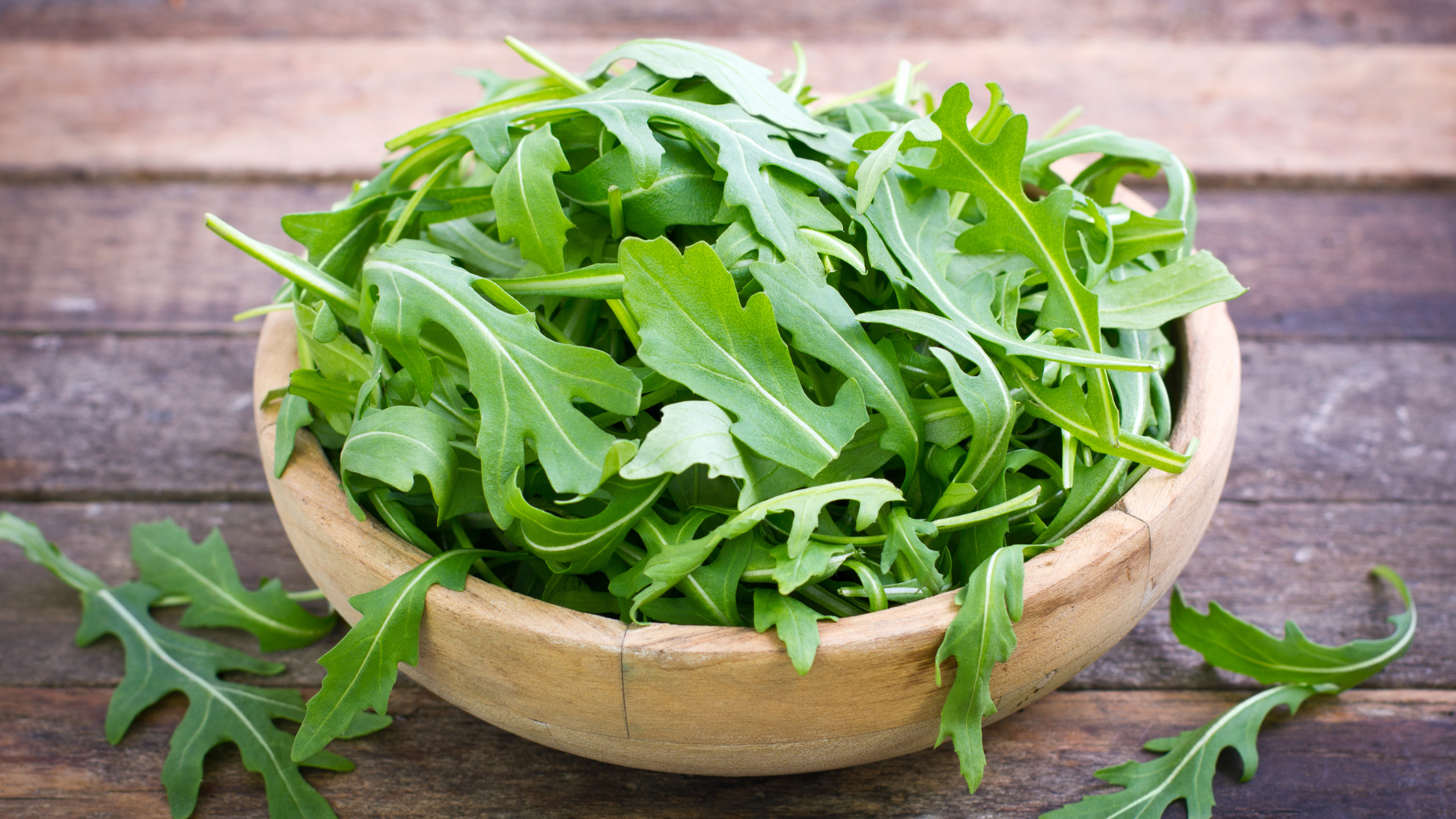
1. Arugula
“You have to learn to like it!” — Dr. Veggie
Peppery, nutrient-dense, and easy to eat right out of a bowl. Arugula is rich in nitrates that support vascular health and is one of the most flavorful ways to add more greens to your day.
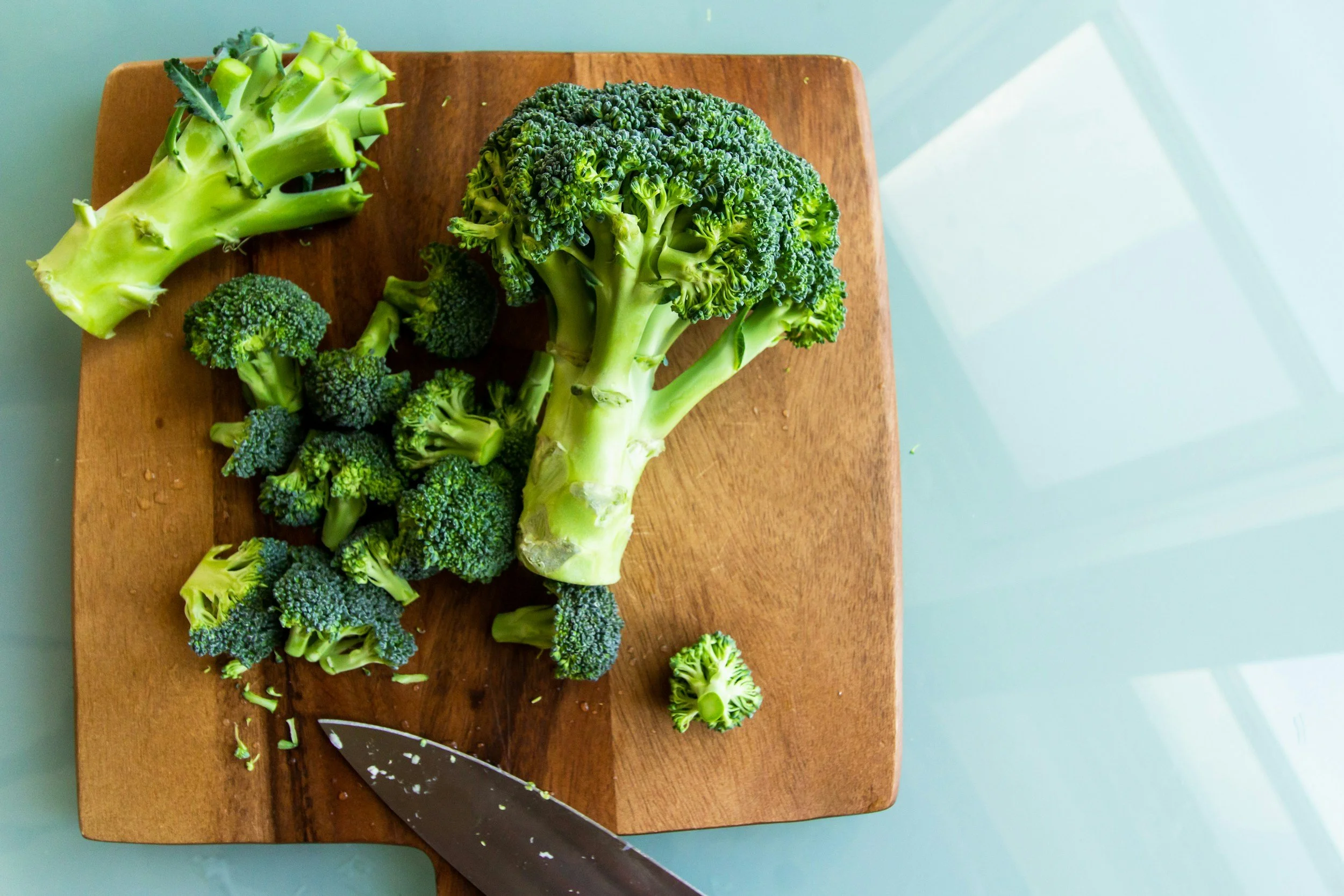
2. Broccoli
This classic cruciferous vegetable is packed with fiber, antioxidants, vitamin C, and beneficial compounds like sulforaphane. Dr. Barnett likes his prepared steamed with a bit of garlic.
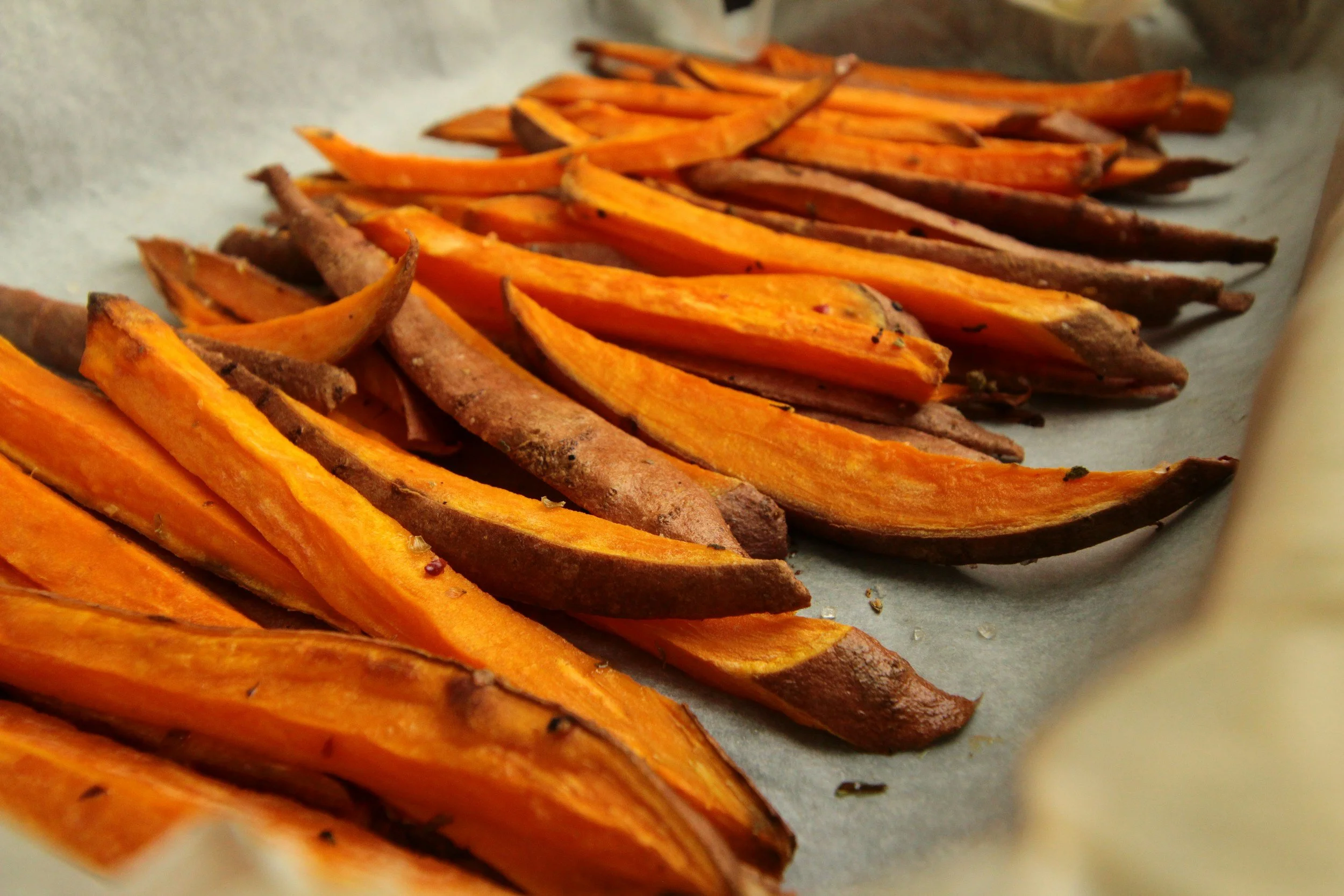
3. Sweet Potatoes
Comforting, colorful, and naturally sweet, sweet potatoes offer steady energy, gut-friendly fiber, and antioxidants. Dr. Barnett loves them baked and served alongside with his steamed broccoli for a simple, satisfying, and deeply nourishing dinner.
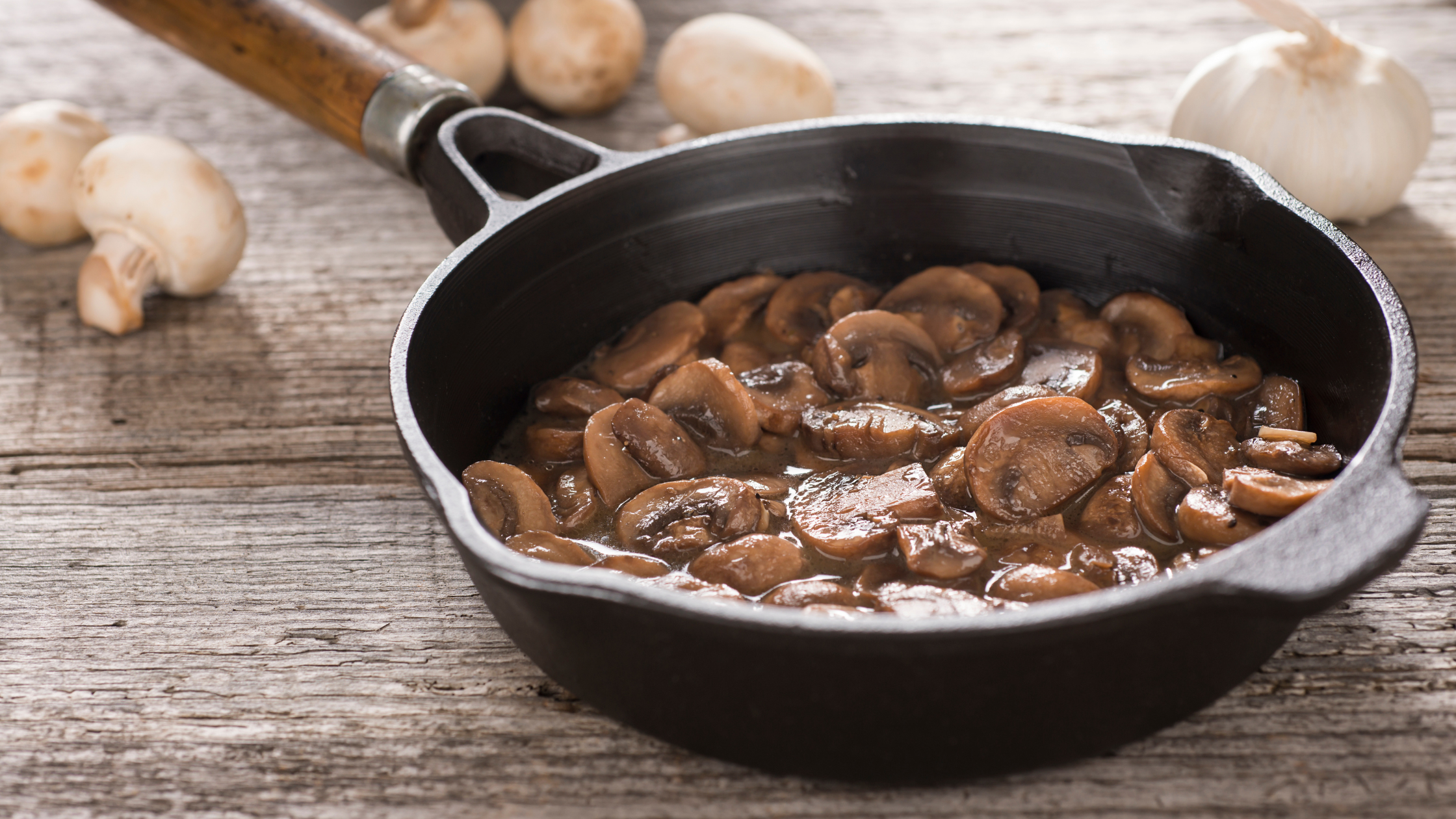
4. Mushrooms
Dr. Barnett’s tip: “Cook them — don’t eat them raw.”
Mushrooms add savory depth to meals while providing B vitamins, minerals, and immune-supportive compounds.
5. Beans
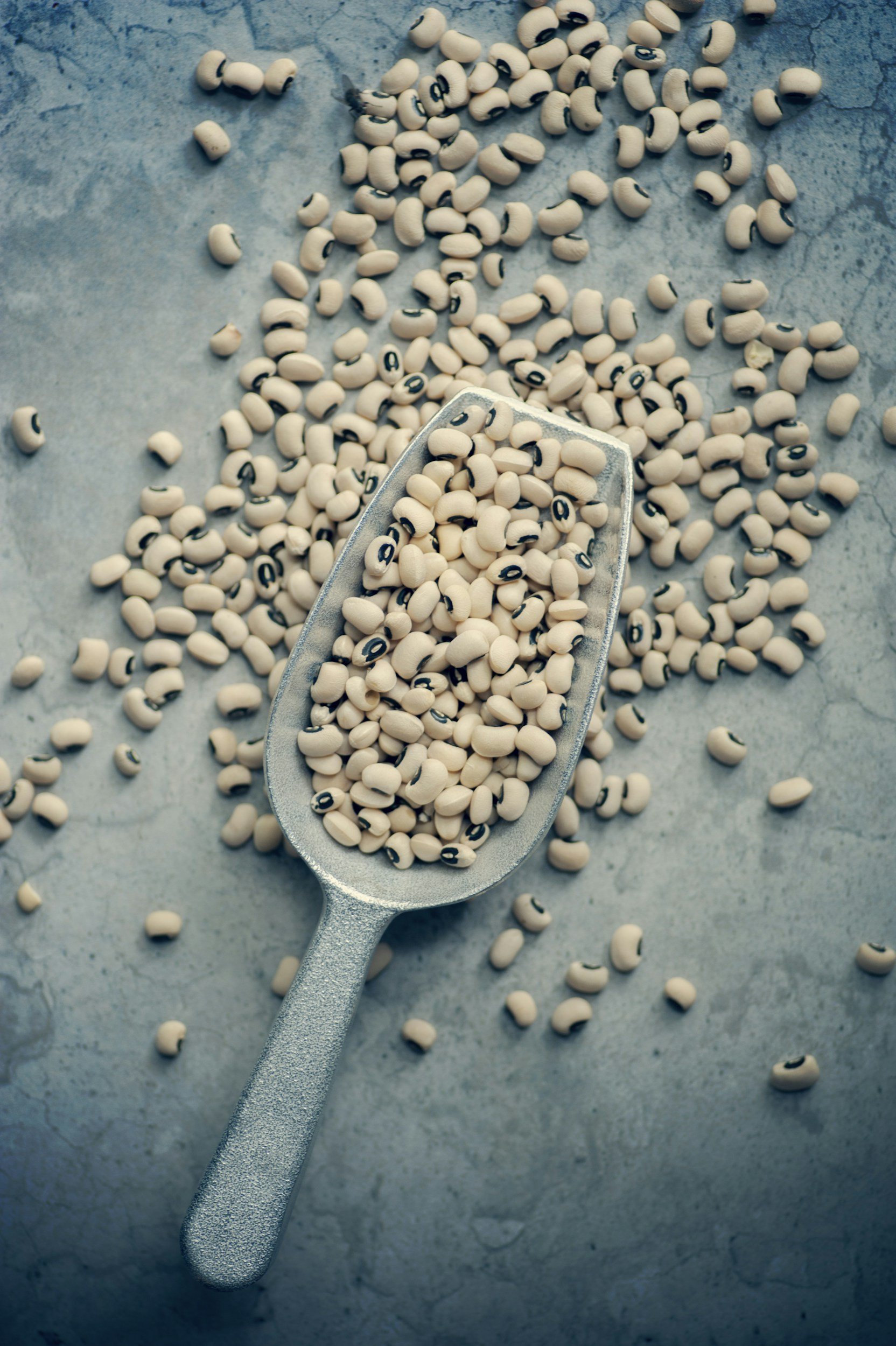
Black-eyed peas, black beans, lentils — Dr. Veggie wants you eating more of all of them.
And while many people focus on beans for their protein, Dr. Barnett clarified on the podcast that he’s more excited about their fiber and phytonutrients. Beans naturally provide plenty of protein (typically ~20–25% of calories), but their real strength is that they deliver it without cholesterol or saturated fat, and with the nutrients that support long-term metabolic health.
Get inspiration: Try Carol Barnett’s “Black-Eyed Peas with Greens” Recipe on the RLMI Community
6. Whole Grains
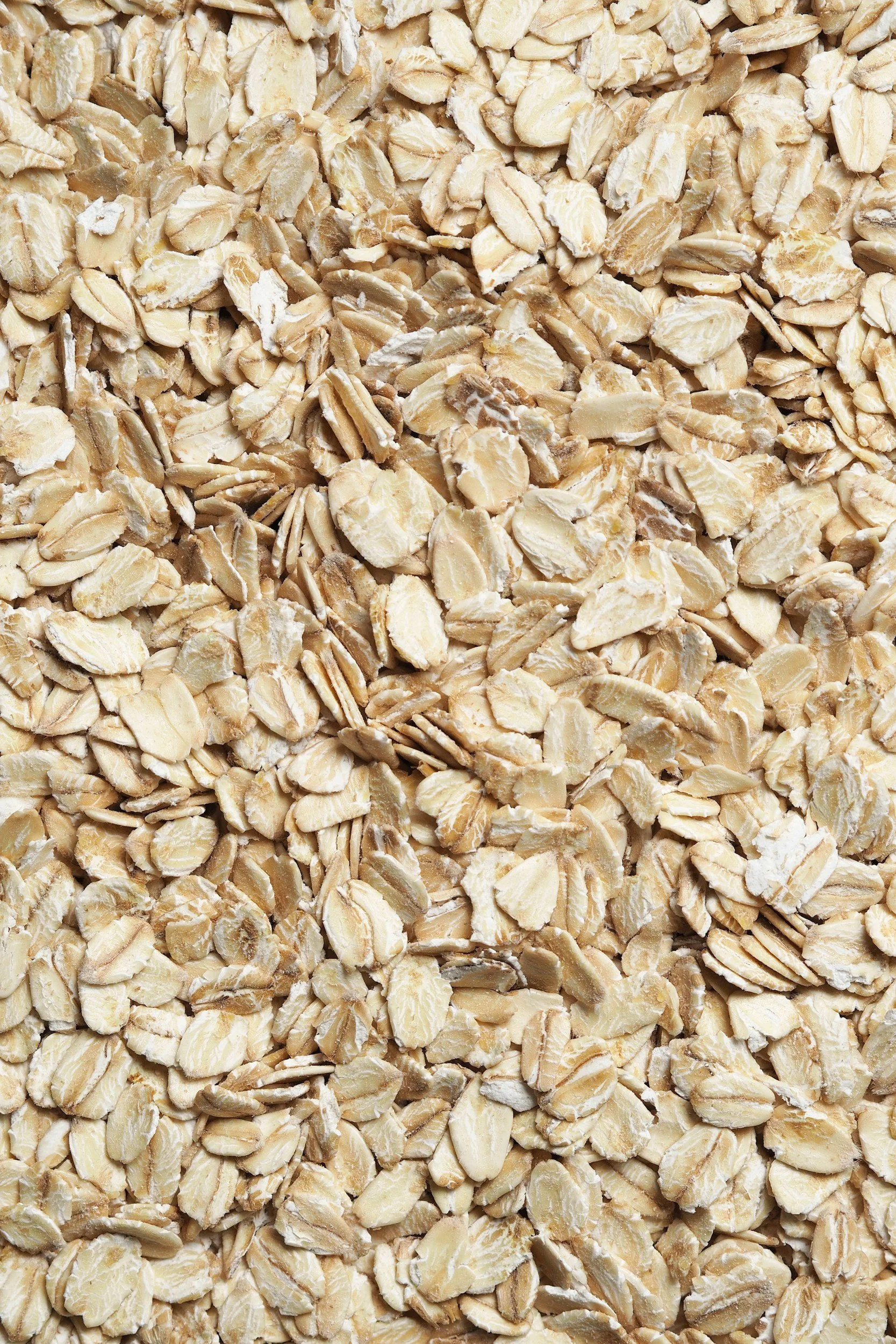
From oats and barley to brown rice and quinoa, whole grains help stabilize blood sugar, support digestion, and keep you feeling satisfied. Many contain more than 10% of their calories from protein, making them a solid foundation for whole-food plant-based (WFPB) meals.
7. Blueberries
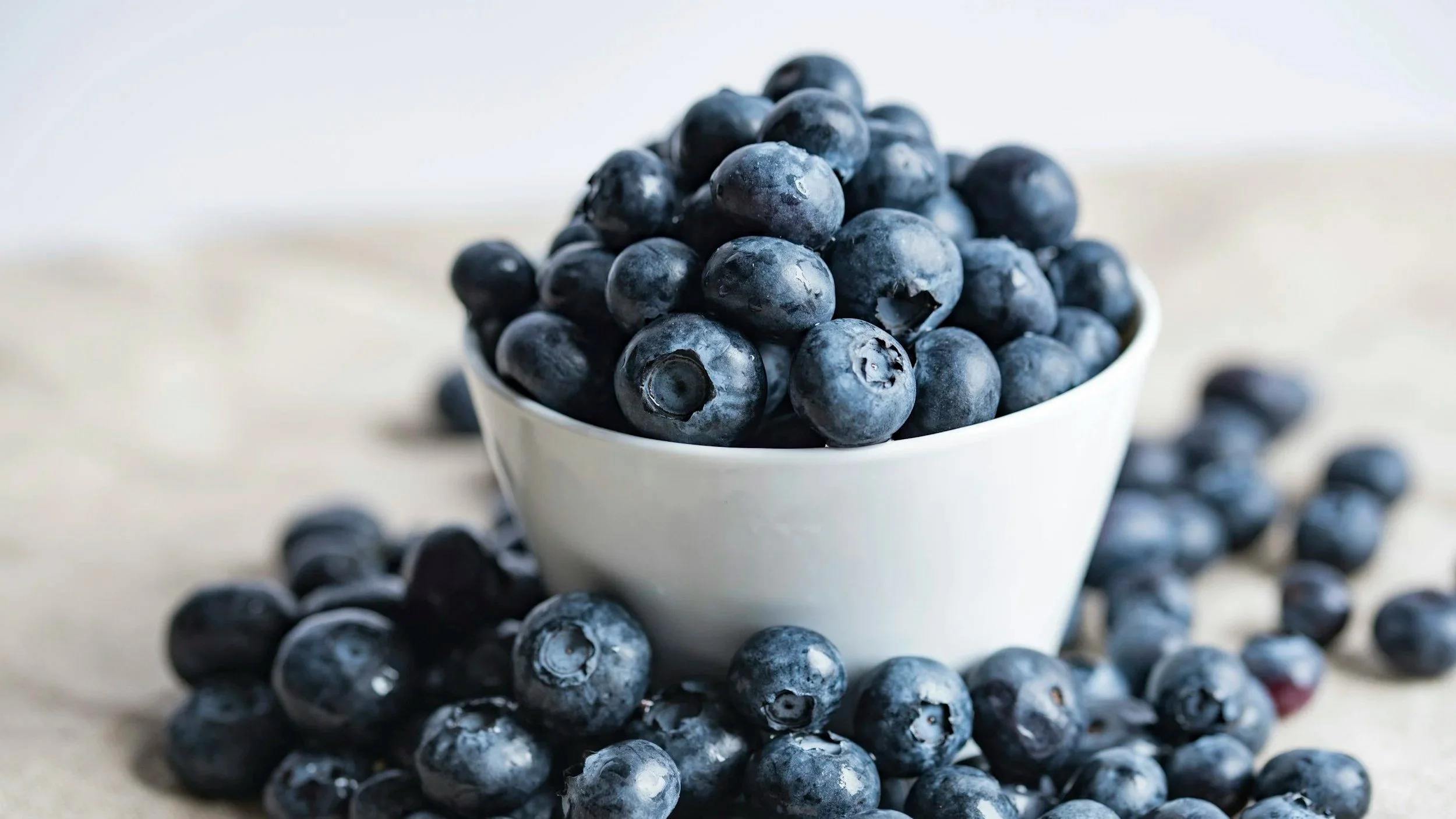
Sweet, colorful, and antioxidant-rich, blueberries support brain health, immune function, and healthy aging. Fresh or frozen, they’re one of the easiest upgrades to any meal.
Why These Foods Matter
These seven foods reflect what Dr. Barnett teaches through RLMI’s 15-Day Whole-Food Plant-Based Jumpstart: powerful health improvements come from simple, accessible choices, not complex diets or expensive products.
On The Exam Room Podcast, he shared that Jumpstart participants often see:
Cholesterol drops of 150–200 points in 15 days
Average decreases of ~64 points for those starting at 240+
Improved blood sugar, reduced inflammation, and more energy
Changes that can, in the short term, outperform statins — simply by changing what’s on your plate.
Try Dr. Barnett’s Food Prescription This Week
Start with just one or two foods:
Add a handful of arugula to lunch
Roast a sweet potato for dinner
Throw extra beans onto your plate
Add blueberries to breakfast
Swap white rice for a whole-grain alternative
Small steps add up quickly.
Take the Next Step Toward Better Health
Join the 15-Day Whole-Food Plant-Based Jumpstart → Get hands on support and experience the changes Dr. Barnett describes
Join the RLMI Community → Access recipes, support groups, event recordings, and more.
