
A closer look at longevity medicine and why protein source matters
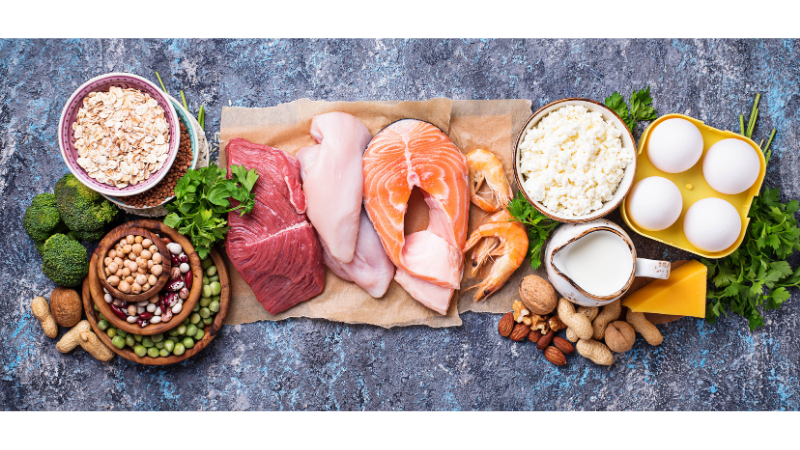
Protein has become one of the most talked-about topics in nutrition.
From social media to health and fitness podcasts, the message is everywhere: eat more protein to lose weight, build muscle, stabilize blood sugar, and even age better.
At the same time, another trend—longevity medicine—is gaining traction. It promises a longer, healthier life by focusing on prevention, early risk detection, and optimizing lifestyle habits.
But there’s a problem.
Much of the advice coming from high-protein trends doesn’t clearly align with what we know about long-term health. And in some cases, it may be moving people in the opposite direction.
Are High-Protein Diets Good for Longevity?
Short answer: not necessarily, and often not in the way they’re promoted.
Most people are already getting enough protein. In fact, protein deficiency is rare in the U.S., while excess intake, especially from animal sources, is far more common.
Indeed, the push toward very high protein intake has outpaced the evidence.
Research does not support the idea that more protein automatically leads to better health, more muscle, or longer life. Beyond a moderate intake, potential risks begin to emerge.
Some of those concerns include increased burden on metabolic pathways linked to aging, and greater intake of saturated fat and cholesterol when protein comes from animal foods.
That doesn’t mean protein is harmful, or that it should be restricted unnecessarily.
It means the conversation has been oversimplified.
Because when it comes to longevity, the real question isn’t just:
“How much protein are you eating?”
It’s:
“What kind of protein, and what is it replacing?”
Why protein source matters
Protein is often treated like a single variable. It isn’t.
The health impact of a high-protein diet depends heavily on where that protein comes from.
Animal protein is typically packaged with saturated fat and cholesterol, and contains no fiber. Diets built around these foods are consistently linked to higher rates of heart disease and other chronic conditions.
Plant protein tells a different story.
Foods like beans, lentils, soy, and whole grains come with fiber, antioxidants, and nutrients that support metabolic and cardiovascular health. These are the same dietary patterns most strongly associated with longer lifespan.
This is where the conversation often goes off track.
When people increase protein by adding more meat, dairy, or protein products, they’re not just increasing protein, they’re shifting their entire dietary pattern.
And that shift matters far more than the protein itself.
Animal protein and longevity: what the evidence suggests
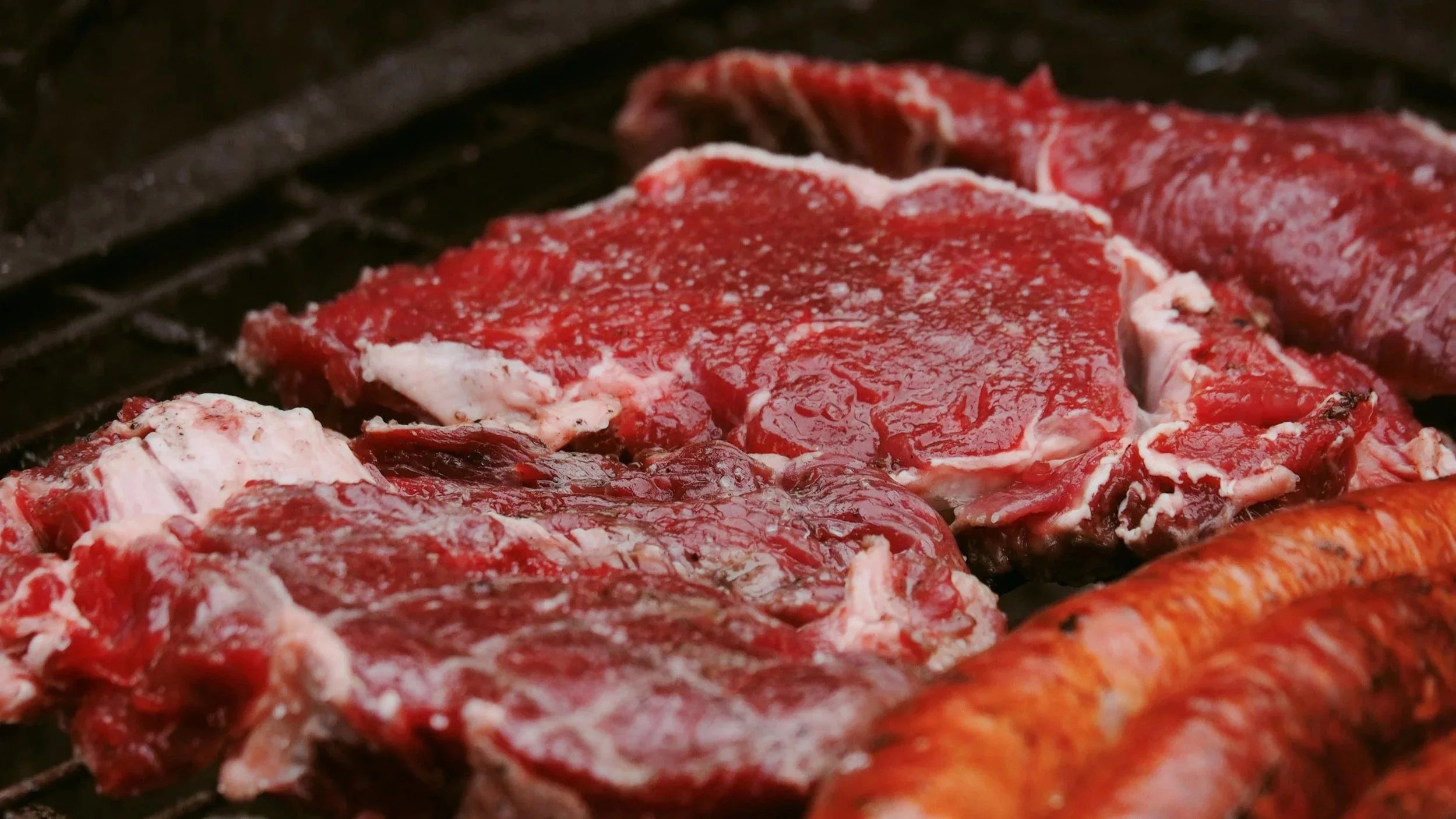
Higher intake of animal protein, especially in midlife, has been linked to increased risk of chronic disease and earlier mortality.
Large population studies have found:
Higher rates of cardiovascular disease
Increased cancer risk
Greater overall mortality
There are also plausible biological mechanisms behind this.
High intake of certain amino acids—especially those abundant in animal foods—can activate pathways like mTOR, which are linked to aging and disease progression .
Do you need a high-protein diet to age well?
No.
You need enough protein. But more is not better.
Most of the benefits of protein—for muscle maintenance, function, and recovery—are achieved within a moderate intake range. Beyond that, there’s little evidence of added benefit .
What matters more is:
Maintaining muscle through regular resistance training
Supporting metabolic health through diet quality
Getting adequate, not excessive, protein from nutrient-dense foods
The idea that healthy aging requires a high-protein diet is largely driven by marketing and fitness culture.
The evidence points in a different direction: adequate protein, within a whole-food plant-based pattern, supports both function and long-term health.
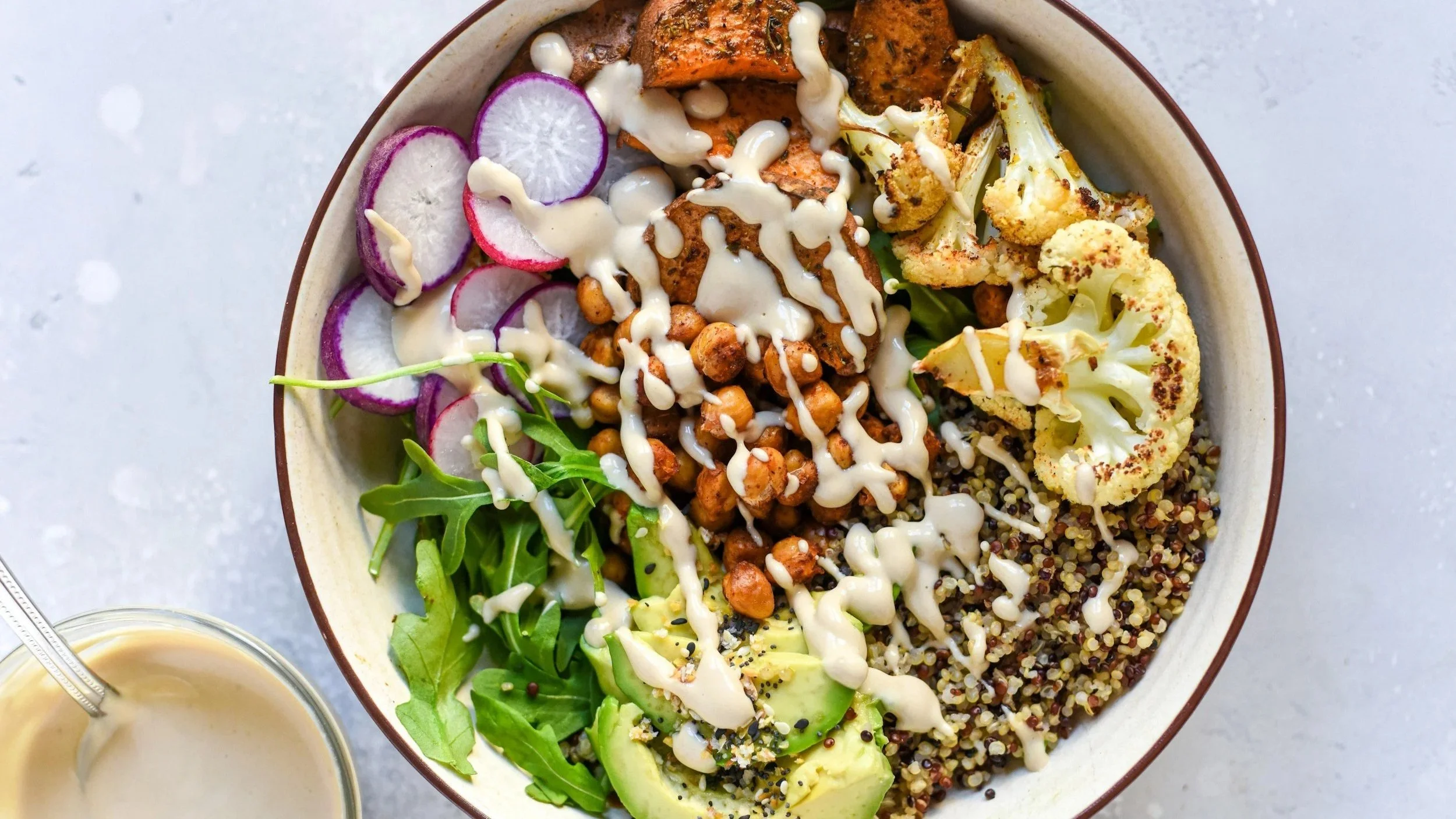
Can You Build Muscle and Burn Fat on a Plant-Based Diet?
This is one of the biggest concerns behind the push for high-protein diets.
The short answer: yes, you can.
But, again, it doesn’t come from eating more protein.
Does more protein actually build more muscle?
Muscle is built through resistance training, not excess protein.
Protein supports the process, but only up to a point.

In other words, doubling your protein intake does not double your results.
What matters more:
Consistent strength training
Total calorie balance
Overall diet quality
Can you get enough protein on a plant-based diet?
Yes, without difficulty.
Protein is found in all whole plant foods, including:
Beans and lentils
Soy foods like tofu and tempeh
Whole grains
Nuts and seeds
When meals are built around these foods, protein needs are typically met without tracking or supplementation.
Midlife vs older adults: does protein need change?
Protein needs are not the same at every stage of life.
In midlife, the priority is preventing chronic disease. That means avoiding excess, especially from animal sources.
In older adults, maintaining strength and function becomes more important. Adequate protein intake helps, especially when paired with resistance training.
The goal is not high protein at all costs.
It is enough protein to support function, within a pattern that supports long-term health.
Are protein powders and supplements necessary?
For most people, no.
Many protein products are ultra-processed and heavily marketed. They add convenience, but not necessarily better outcomes.
Whole foods already provide what the body needs, along with nutrients that powders and bars lack.
For those with higher needs or limited appetite, supplements can play a role. But they are not the foundation of a healthy diet.
What Are the Best Foods for Longevity?
There isn’t one “perfect” food for longevity.
But there is a clear pattern.
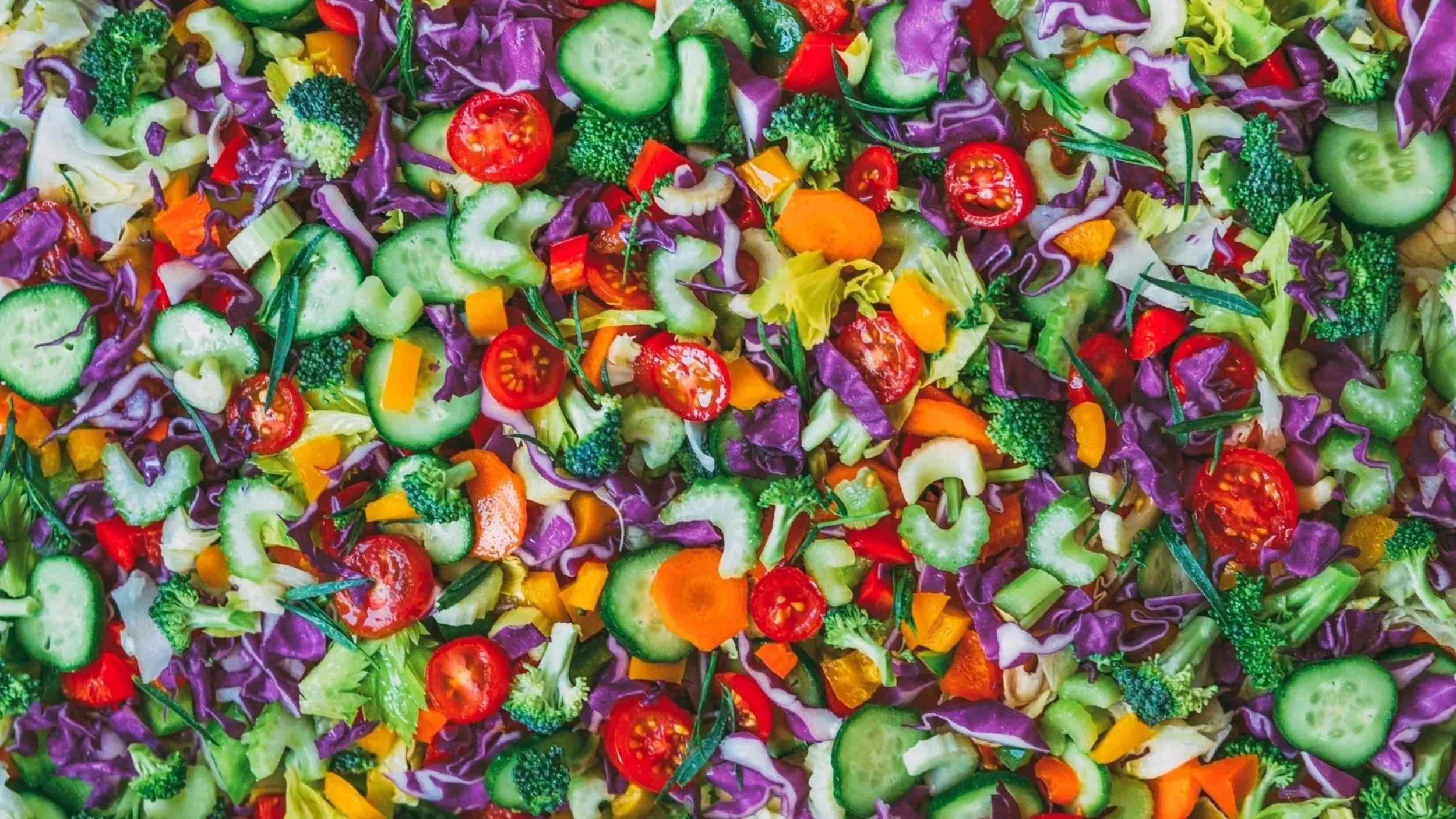
Top foods that support longevity
In longevity research, the most consistent finding isn’t about protein quantity. It’s about dietary patterns built around whole plant foods.
Legumes: beans, lentils, chickpeas
Intact whole grains: oats, brown rice, barley, quinoa
Fruits and vegetables: especially a wide variety
Nuts and seeds: in appropriate portions
These foods do more than provide protein.
They deliver:
Fiber
Antioxidants
Phytochemicals
Nutrients that support heart and metabolic health
Fiber alone is a major factor. Roughly 97% of Americans don’t get enough of it, and it’s only found in plant foods.
What about “high-protein” foods?
Many foods marketed as high-protein look very different:
Protein bars and shakes
Large portions of meat and dairy
Ultra-processed “protein-enhanced” products
These can crowd out the foods that actually support long-term health.
They may help hit a protein target, but they don’t support the bigger picture of longevity.
A simpler way to think about it
Instead of asking:
“What’s the best food for longevity?”
A better question is:
“What eating pattern consistently supports long-term health?”
The answer is remarkably consistent across research:
A diet centered on whole plant foods, with adequate protein, supports both healthspan and longevity.

Take the Next Step with Lifestyle Medicine
If you’re trying to make sense of conflicting nutrition advice, you’re not alone.
At Rochester Lifestyle Medicine Institute, we focus on what the strongest evidence consistently shows, and how to apply it in real life.
15-Day Whole-Food Plant-Based Jumpstart
Experience how dietary change can improve energy, blood sugar, and overall health in a structured, supportive program
Get access to ongoing education, practical tools, and peer support
Lifestyle Medicine Grand Rounds
Explore clinician-led discussions on nutrition, chronic disease, and healthy aging
Small, consistent changes built on evidence can lead to meaningful, lasting results.
