
GLP-1 Drugs for Weight Loss and Diabetes
What You Need to Know (And What the Ads Won't Tell You)
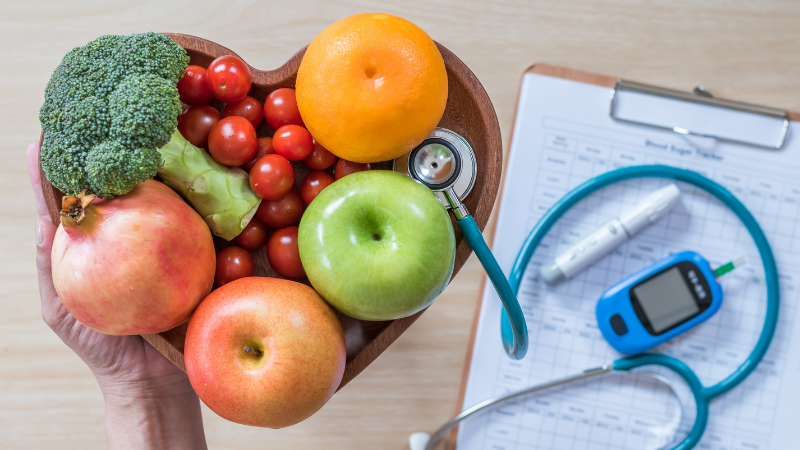
If you've seen Ozempic ads on TV, heard about it from a friend, or talked to your doctor about it, you're not alone. An estimated 15 million Americans are now taking GLP-1 drugs for weight loss. They're being called miracle drugs by some, and a public health concern by others.
Key Takeaways
GLP-1 drugs mimic a hormone your body already makes to suppress appetite and regulate blood sugar.
They can be effective, but most people stop taking them within months, and weight often returns when they do.
Side effects are common and can be significant, including muscle loss, nausea, and gastrointestinal issues.
A whole-food plant-based diet naturally boosts GLP-1 and addresses the root causes that these drugs don't.
If you're on a GLP-1 drug, lifestyle change can amplify your results and build habits that last.
What Is GLP-1, and How Do These Drugs Work?
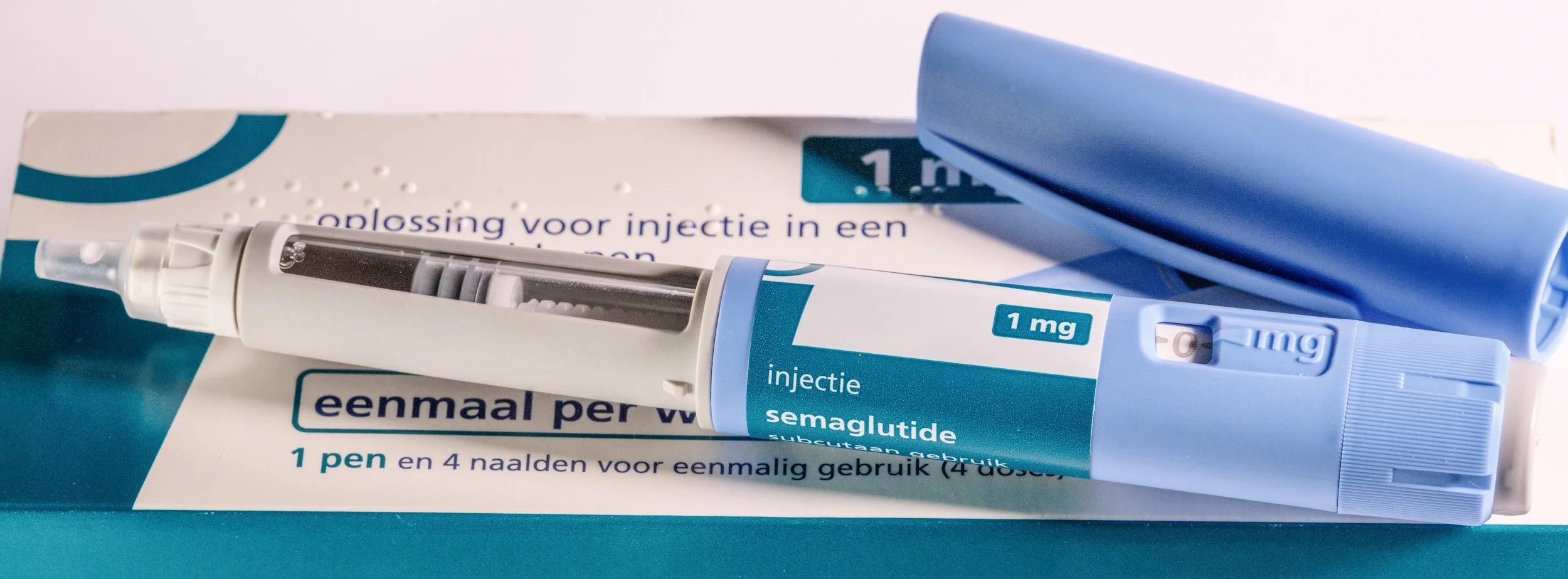
GLP-1 (glucagon-like peptide-1) is a hormone your body makes naturally. It's released by your intestines after you eat. When it rises, your brain gets the signal that you've had enough; your appetite dials down, your stomach empties more slowly, and your blood sugar stabilizes.
GLP-1 drugs — Ozempic, Wegovy, Mounjaro, Zepbound — are synthetic compounds that mimic this hormone. Unlike your body's natural GLP-1, which rises and falls with meals, these drugs maintain elevated GLP-1-like activity around the clock. As a result, you feel less hungry, eat less, and lose weight.
Ozempic (semaglutide) and Wegovy are the same compound at different doses. Wegovy is the higher dose approved specifically for weight loss. Mounjaro and Zepbound (tirzepatide) target an additional hormone called GIP, producing even greater average weight loss.
How Much Weight Can You Lose on Ozempic or a GLP-1 Drug?
Clinical trial averages:
Wegovy (semaglutide): ~15% of body weight
Zepbound (tirzepatide): ~20% of body weight
Some people lose considerably more. A meaningful minority lose little or nothing.
What's often left out of the headlines: most participants started the trials clinically obese and ended them still clinically obese, just less so. And weight loss plateaus after roughly a year, even if you keep injecting.
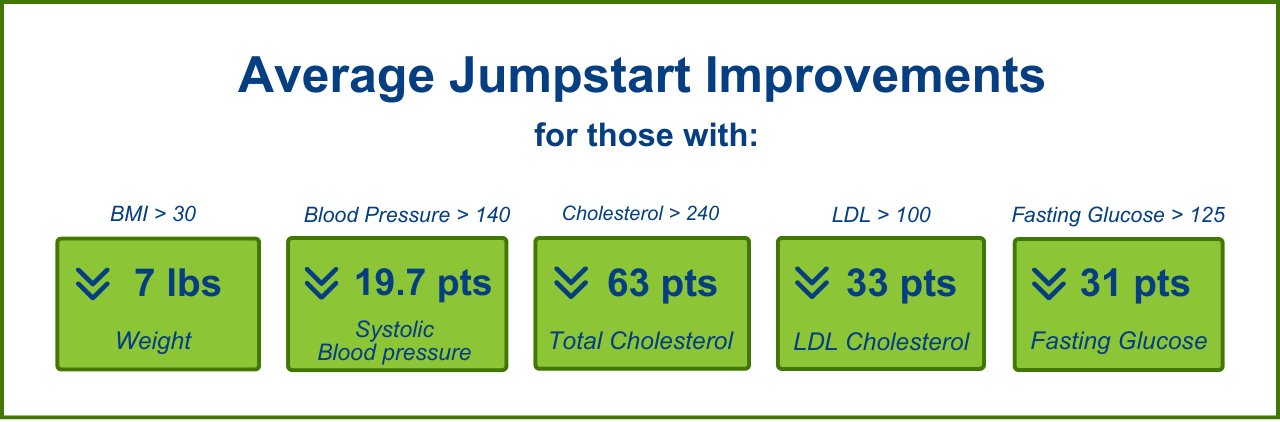
For perspective, RLMI's 15-Day Whole-Food Plant-Based Jumpstart produces an average loss of 5.8 pounds in 15 days, and 7.3 pounds for participants with a BMI over 30. Real results from lifestyle change alone, with a host of other health benefits alongside them.
What Are the Negative Side Effects of GLP-1 Drugs?
Common side effects (from clinical trial data):
Nausea — affects roughly 44% of users
Diarrhea — 30%
Vomiting — 24%
Constipation — 24%
Abdominal pain — 20%
These are the main reasons most people stop taking these drugs.
Muscle loss is a serious and underappreciated concern. Up to 40% of total weight lost on GLP-1 drugs is lean mass (muscle), not fat. That's significantly higher than what's seen with diet-based weight loss alone. Resistance training can help, but this requires active attention.
Another cause for concern is the risk of complications under anesthesia. GLP-1 drugs slow stomach emptying so dramatically that anesthesiologists recommend stopping them one to three weeks before any surgical procedure.
Longer-term concerns include a potential increased risk of pancreatitis, bowel obstruction, and thyroid cancer. Absolute risks are relatively low, but worth understanding before starting, especially for lifelong use.

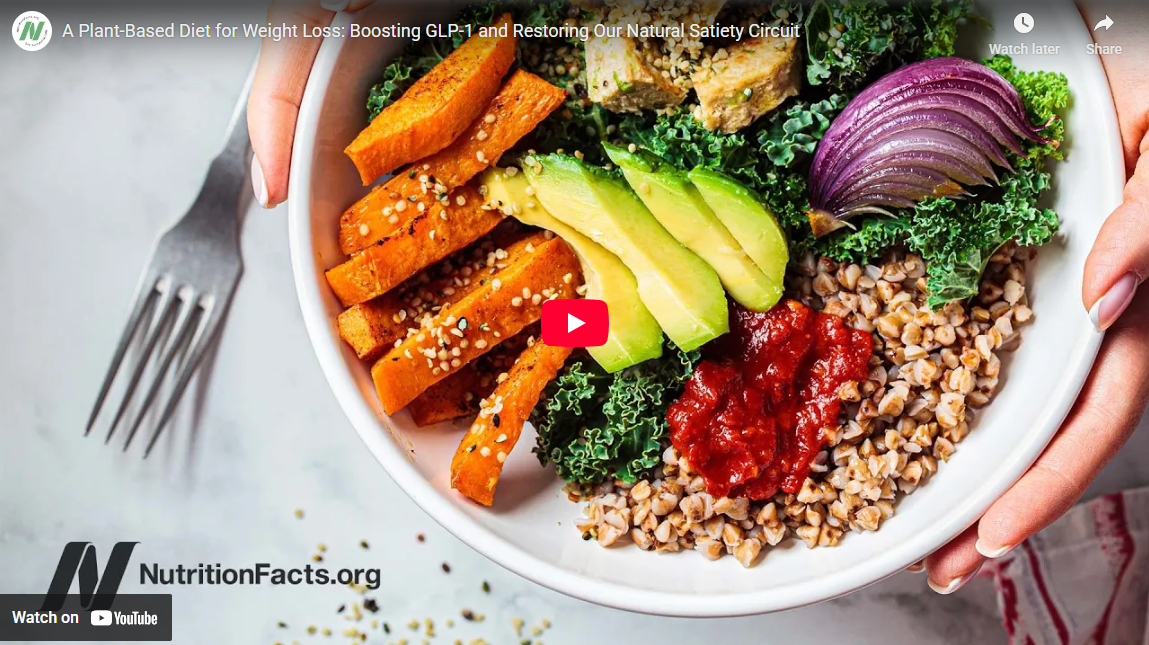
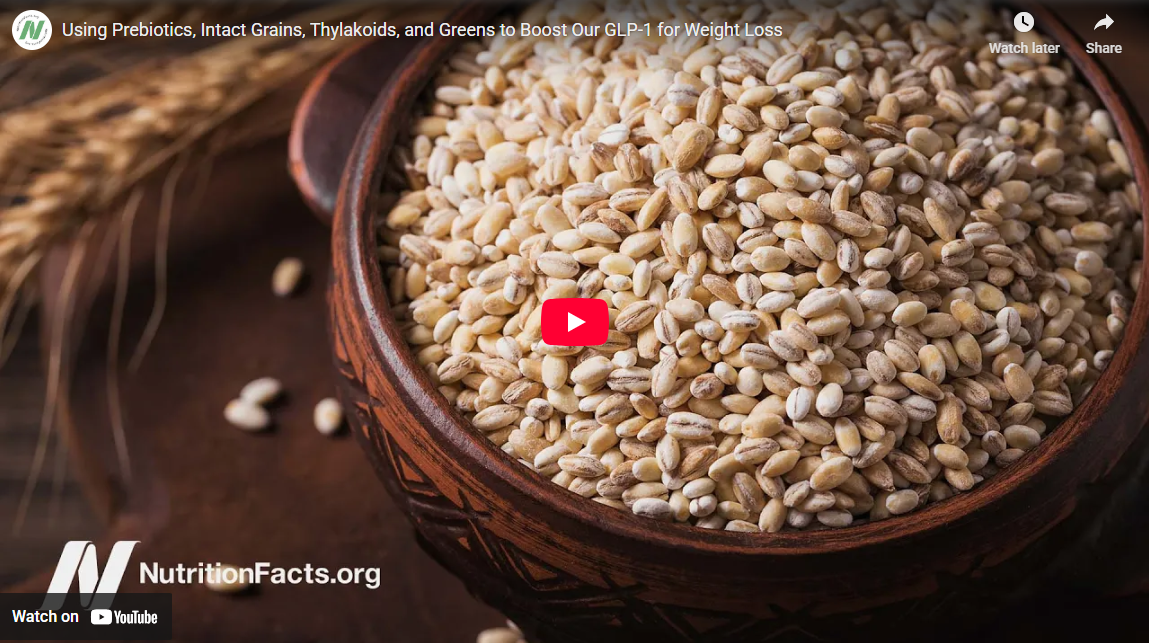

For a thorough look at the research, Dr. Michael Greger has produced an extensive video series at NutritionFacts.org and written a full book on the topic: Ozempic: The Promise and Peril of Ultra-Processed Medicine.
What You Should Know Before Starting
These are powerful medications, not shortcuts. And they come with a catch most people don't fully anticipate: when you stop, the weight usually comes back.
Dr. Zachary Burns is a family medicine physician at the University of Rochester Medical Center, Associate Director of Moving Medicine Forward, and a partner of RLMI. He prescribes GLP-1 drugs, and he's candid about their limits.
In a conversation on WXXI's Connections, he explained:
" We talk thoroughly about the risks, benefits and alternatives. At that point, if they’d like to proceed with the GLP1 and they meet criteria, then we roll with it and we consider it harm reduction. I think it can be appropriate as an interim solution while we’re aggressively working on lifestyle changes to both mitigate side effects and keep them in a healthy place.”
Dr. Burns also noted that in 2024, Wegovy, Zepbound, and Ozempic had nearly half a billion dollars in advertising behind them, and asked a fair question: if these drugs work so well, why the need to market them so aggressively? Because there are real limitations, real alternatives, and a real conversation that doesn't always make it into the ads.
Why Does Weight Come Back When You Stop?
Because the drug doesn't address the underlying cause.
As weight drops, your body fights back, ratcheting hunger back up to compensate. The drug keeps you ahead of that signal for a while, but weight loss plateaus within about a year. Stop the drug, and the signal wins. Two-thirds of lost weight typically returns within a year of stopping.
This is why GLP-1 drug makers acknowledge these may need to be taken indefinitely. At current prices, even with recent reductions under the Trump administration's Most-Favored-Nation pricing initiative (bringing Ozempic and Wegovy to $350/month through TrumpRx, with a $50 Medicare co-pay), that's a significant long-term commitment.
Can You Boost GLP-1 Naturally?
Yes, and this is where things get interesting.
Your body has a natural GLP-1 satiety system. It was designed for a diet rich in whole plant foods. Fiber from intact grains, legumes, fruits, and vegetables slows digestion, feeds beneficial gut bacteria, and triggers GLP-1 release further down the intestinal tract, where most of those hormone-producing cells live.
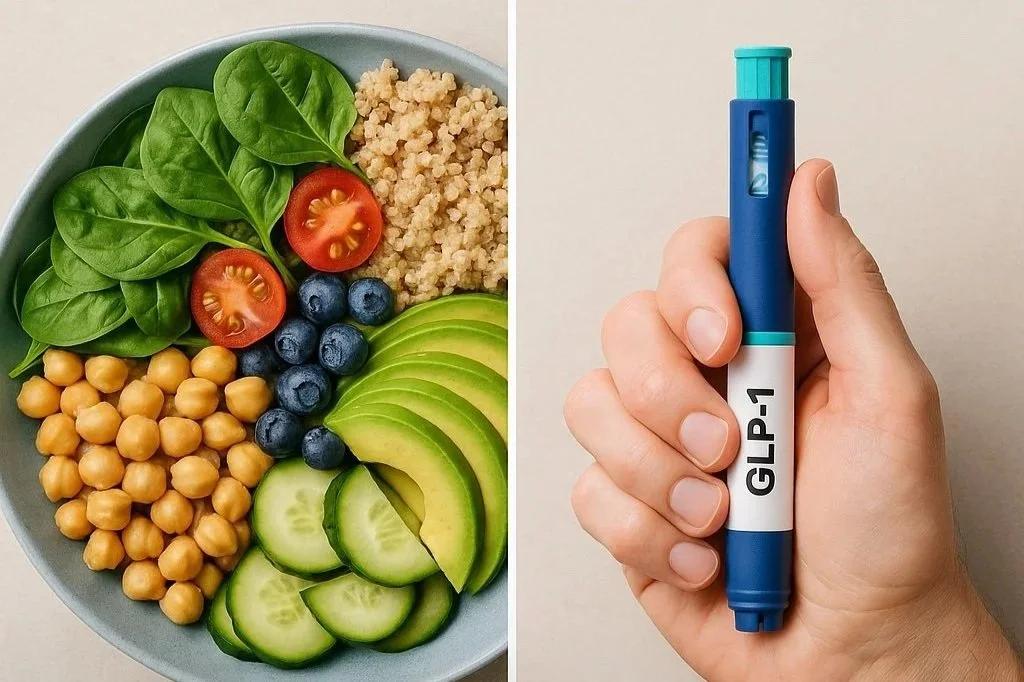
Processed foods get absorbed so fast they never reach that part of your gut. That's part of why modern diets are so easy to overeat; the satiety signal barely fires.
Research shows that eating barley or rye groats at dinner can boost GLP-1 levels by 40–56% the following morning and reduce appetite throughout the next day. Plant-based meals have been shown to boost GLP-1 by 42% more than calorie-matched meat-based meals. And certain spices — turmeric, cinnamon, cayenne — have demonstrated meaningful GLP-1 effects in human studies.
Exercise also raises GLP-1 acutely, particularly higher-intensity activity.
This science is part of why a well-designed whole-food plant-based diet is one of the most effective tools we have for weight management and metabolic health, without a prescription. And it also explains why pairing lifestyle change with GLP-1 drug therapy, for those who choose medication, can produce better results than taking the drugs alone.
What About Type 2 Diabetes — Can Lifestyle Really Reverse It?
One of the questions Dr. Burns says he asks every new patient with type 2 diabetes: "Has anyone ever told you this is reversible?"
He says, “Invariably, they say no.”
But type 2 diabetes can be reversed through diet. A very-low-fat, whole-food plant-based diet addresses the actual driver of insulin resistance: intracellular fat that blocks insulin from doing its job. Remove the fat, restore the sensitivity.
Many people see meaningful reductions in blood sugar and medication needs within weeks.
What GLP-1 Drugs Don't Address
GLP-1 drugs can help people eat less. What they don't do is change what people are eating, or address the food environment that drives overconsumption in the first place.
Ultra-processed foods are engineered to override your natural satiety signals. A GLP-1 drug can blunt the appetite, but the habits, the food environment, and the patterns remain. That's why the weight comes back when the drug stops.
There's also a common trap worth naming. Many people on these drugs lean heavily on meat, eggs, and dairy to hit an inflated protein target, cutting back on whole grains, beans, and vegetables in the process. Saturated fat and cholesterol stay high. Fiber drops. The scale may move, but the dietary patterns driving heart disease, diabetes, and inflammation are still very much in place. Eating less of a poor diet is still a poor diet.
Chronic stress also plays a role here, disrupting sleep, eating patterns, and metabolic health in ways that medication alone doesn't touch.
Lasting change comes from effectively implementing the pillars of lifestyle medicine: nutrition, movement, sleep, stress management, and community.
How RLMI Can Help
If this article has left you wondering what to do next, 15-Day Whole-Food Plant-Based Jumpstart is a practical place to begin.
Whether you’re currently taking a GLP-1 drug, considering one, or hoping to avoid long-term medication, Jumpstart helps you build the food habits these medications cannot create for you.
The program is medically facilitated, ACLM-certified, and grounded in the science of whole-food plant-based nutrition. In just 15 days, participants often see meaningful improvements in weight, cholesterol, blood pressure, blood sugar, energy, and sleep.
For people using GLP-1 drugs, Jumpstart can help you make the most of your treatment with structured education, community support, and a way of eating that supports your body’s natural satiety signals. It can also help address common concerns such as poor diet quality, muscle loss, and weight regain when medication changes.
For people looking for an alternative, Jumpstart offers a research-backed path toward healthier weight, better metabolic health, and reduced reliance on medication, in cooperation with your healthcare provider.
Healthcare providers can refer patients directly.
We also offer monthly Lifestyle as Medicine Lectures, Lifestyle Medicine Grand Rounds, and support meetings, all through the RLMI Community platform. The goal with everything we do is the same: help you build a healthier life that doesn't depend on a prescription to sustain it.
See our full list of upcoming virtual events here.
