
Lifestyle Medicine and Brain Health
How Diet and Daily Habits May Support Memory, Cognition, and Healthy Aging

Brain health is one of the most important parts of healthy aging. Many people worry about memory loss, dementia, and Alzheimer’s disease, especially if they have watched a loved one experience cognitive decline.
The hopeful message from lifestyle medicine is this: brain health is not separate from whole-person health.
The same habits that support your heart, blood vessels, blood pressure, cholesterol, blood sugar, weight, sleep, and mood may also help support memory and cognitive function.
At Rochester Lifestyle Medicine Institute, we teach a lifestyle medicine approach centered on low-fat, whole-food plant-based nutrition, physical activity, stress reduction, sleep, purpose, time outdoors, and supportive community.
Key Takeaways
Brain health is closely connected to heart and blood vessel health.
The brain depends on healthy blood flow, which can be affected by blood pressure, cholesterol, blood sugar, inflammation, and vascular disease.
A whole-food plant-based diet may support brain health by improving many of the same risk factors linked to cognitive decline.
Lifestyle habits such as movement, sleep, stress reduction, and social connection also play an important role.
Research from Dr. Dean Ornish and colleagues suggests that intensive lifestyle change may help improve cognition and function in some people with mild cognitive impairment or early dementia due to Alzheimer’s disease.
RLMI’s Jumpstart Program teaches many of the same core lifestyle medicine principles, with a practical focus on whole-food plant-based nutrition and supportive behavior change.
How Brain Health and Heart Health Are Connected
One of the central ideas in lifestyle medicine is that what is good for the heart is often good for the brain.
Your brain depends on healthy blood flow. Blood vessels deliver oxygen and nutrients to the brain. When those vessels are affected by high blood pressure, high cholesterol, insulin resistance, inflammation, or atherosclerosis, brain function may be affected too.
That is why lifestyle medicine does not treat brain health as separate from the rest of the body. It looks at the whole person and asks: how can we support the systems that keep the brain healthy?
A lifestyle medicine approach focuses on improving the underlying conditions that can affect blood flow and long-term brain function. This includes eating a nutrient-dense diet, moving regularly, managing stress, sleeping well, and building meaningful social support.
What Foods Support Brain Health?
A brain-supportive diet is also a heart-supportive diet.
At RLMI, we emphasize a low-fat, whole-food plant-based dietary pattern. This means centering meals around minimally processed plant foods, including:
Vegetables, especially leafy greens and colorful vegetables
Beans, lentils, peas, and other legumes
Whole grains such as oats, brown rice, barley, quinoa, and other intact grains
Fruits, especially berries and other deeply colored fruits
Herbs, spices, and other whole plant foods
These foods are rich in fiber, antioxidants, phytochemicals, and nutrients that support overall health.
They can also help improve risk factors that matter for long-term brain health, including cholesterol, blood pressure, blood sugar, weight, and vascular function.
No single food can guarantee better memory or prevent dementia. But the overall dietary pattern matters.
A simple place to start: build meals around vegetables, beans, fruits, and whole grains.
Beyond Food: Other Lifestyle Habits That Support the Brain
Nutrition is powerful, but brain health is influenced by many daily habits.
A lifestyle medicine approach includes:
Physical activity supports circulation, insulin sensitivity, mood, sleep, and cardiovascular health. Even moderate activity, such as walking, can be meaningful.
Chronic stress can affect blood pressure, sleep, mood, eating patterns, and quality of life. Breathing exercises, mindfulness, time outdoors, prayer, meditation, or other calming routines may help.
Sleep is essential for memory, emotional regulation, metabolic health, and brain recovery.
Supportive relationships and group support can reduce isolation and make healthy change easier to sustain.
Medical guidance
People with high blood pressure, high cholesterol, diabetes, cardiovascular disease, cognitive symptoms, or medication concerns should work with their medical team.
Research and Resources: Lifestyle Change and Alzheimer’s Disease
Recent research from Dr. Dean Ornish and colleagues studied whether intensive lifestyle changes could affect cognition and function in people with mild cognitive impairment or early dementia due to Alzheimer’s disease.
The intervention included:
A whole-food plant-based diet
Physical activity
Stress management
Group support
The results were promising. The study suggested that intensive lifestyle change may help slow, stop, or improve cognitive decline in some people, especially when started in earlier stages and followed closely.
This does not mean diet is a guaranteed cure for Alzheimer’s disease. It does mean lifestyle deserves serious attention as part of the brain health conversation.
The videos below explain the research, why it matters, and what the results meant for some of the people who participated.
Real Results in 15 Days
RLMI’s 15-Day Whole-Food Plant-Based Jumpstart Program teaches many of the same core lifestyle changes highlighted in this research, especially whole-food plant-based nutrition, practical education, implementation support, and group connection.
Jumpstart is not an Alzheimer’s treatment program. It is a physician-led lifestyle medicine program designed to help people experience the power of whole-food plant-based living in a structured and supportive way.
For many participants, the most immediate measurable changes are in cholesterol, blood pressure, blood sugar, and weight. These markers are important for cardiometabolic health, and they are also relevant to long-term vascular and brain health.
More than 2,700 people have completed RLMI’s 15-Day Whole-Food Plant-Based Jumpstart Program. Among participants who begin with elevated risk markers, average improvements include:
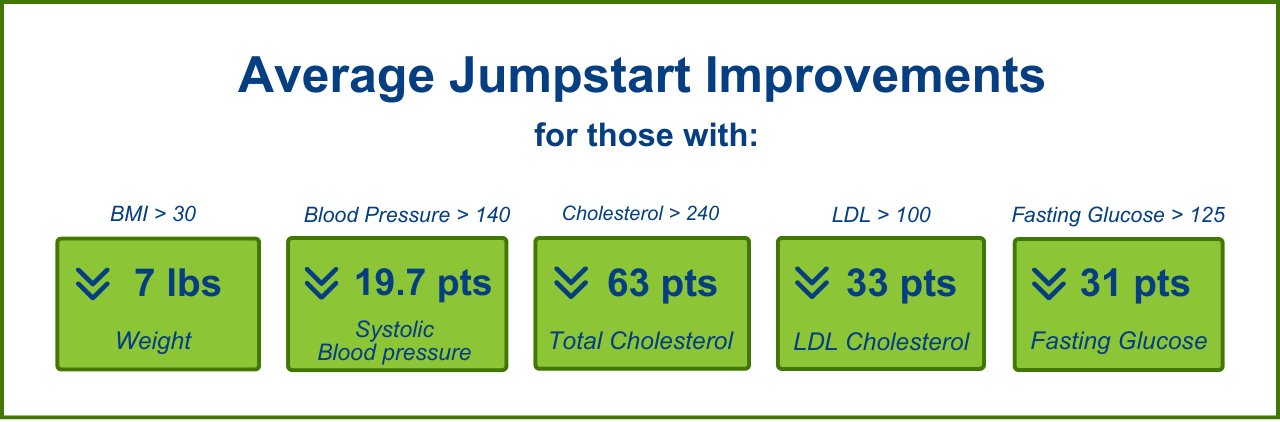
These average improvements include reductions in weight, systolic blood pressure, total cholesterol, LDL cholesterol, and fasting glucose among participants who began above the listed thresholds.
Every person’s results are different, and no program can guarantee a specific outcome. But many participants find that 15 days is enough time to experience meaningful changes, build confidence, and see what is possible.
Frequently Asked Questions About Lifestyle Medicine and Brain Health
-
Lifestyle changes may support brain health by improving blood flow, blood pressure, cholesterol, blood sugar, inflammation, sleep, mood, and cardiovascular health. Recent research suggests that intensive lifestyle change may improve cognition and function in some people with mild cognitive impairment or early dementia due to Alzheimer’s disease.
-
A whole-food plant-based diet may support brain health because it is rich in fiber, antioxidants, and nutrient-dense foods that support cardiovascular and metabolic health. Since the brain depends on healthy blood flow, a dietary pattern that supports healthy arteries may also support long-term cognitive health.
-
No single food guarantees better memory, but a brain-supportive dietary pattern emphasizes vegetables, leafy greens, beans, lentils, fruits, berries, whole grains, and other minimally processed plant foods.
-
This is an area of active research. A recent randomized controlled trial found that intensive lifestyle changes may improve cognition and function in some people with mild cognitive impairment or early dementia due to Alzheimer’s disease. However, diet alone should not be described as a guaranteed cure. Anyone with cognitive symptoms or an Alzheimer’s diagnosis should work closely with their medical team.
-
The habits most often associated with better long-term brain health include a healthy dietary pattern, regular physical activity, good sleep, stress management, social connection, and medical management of risk factors such as high blood pressure, high cholesterol, diabetes, and cardiovascular disease.
-
Start with the same habits that support your heart and overall health: eat more whole plant foods, move your body regularly, prioritize sleep, reduce stress, and seek supportive community.
For people who want structure and guidance, RLMI’s 15-Day Jumpstart Program can help them begin.
