
Is Chronic Stress Preventing You From Seeing Results?
The Fifth Pillar of Lifestyle Medicine
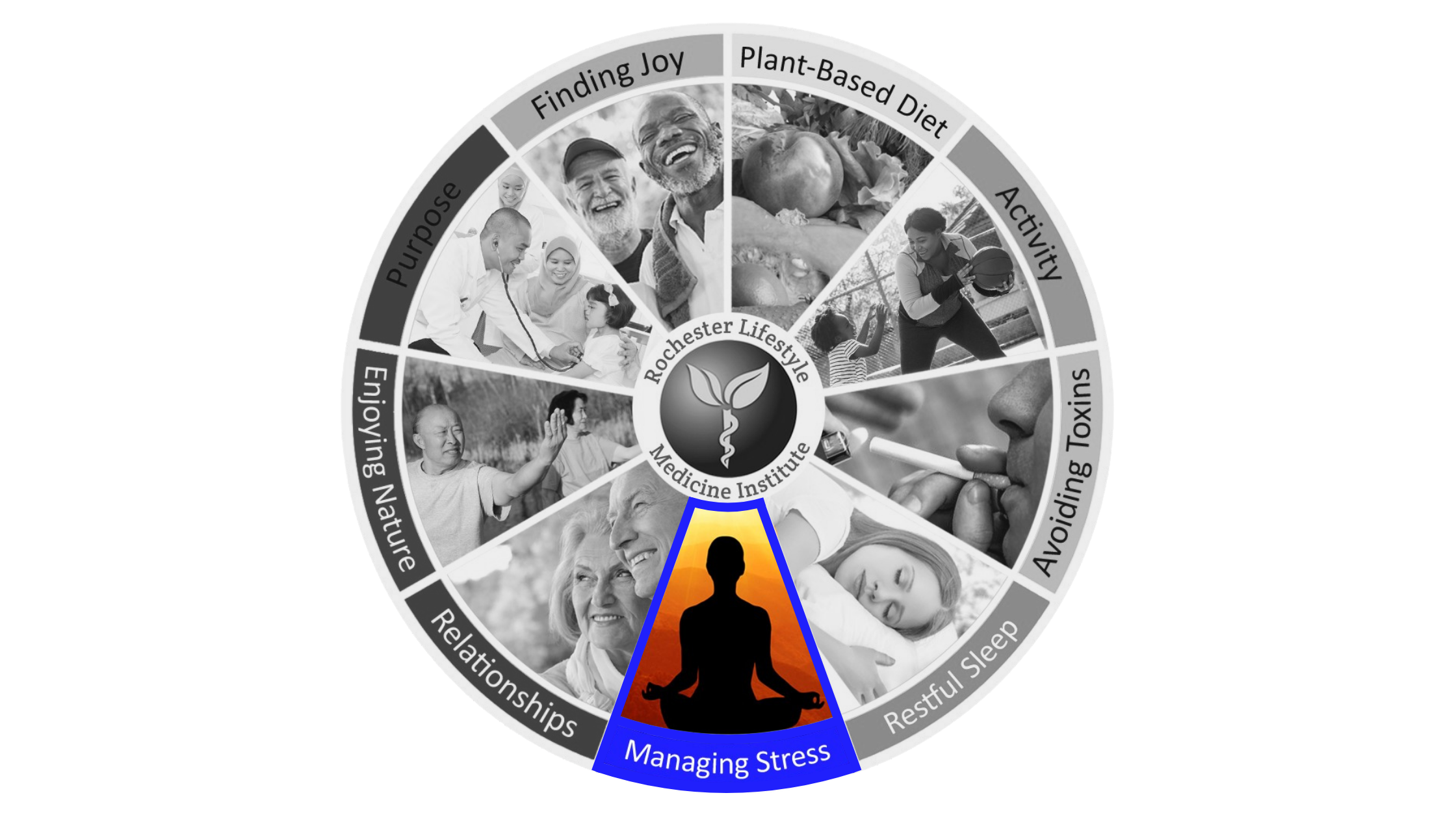
Key Takeaways
Chronic stress influences cardiometabolic health through biological and behavioral pathways.
Stress may contribute to higher LDL cholesterol, blood pressure, blood sugar, and visceral fat — though it is rarely the primary driver.
Stress often disrupts sleep, movement, and dietary patterns, which more strongly influence health markers.
An integrated Lifestyle Medicine approach supports both stress resilience and measurable metabolic improvement.
The pillars reinforce one another. Managing stress strengthens them all.
How Chronic Stress Impacts Cardiometabolic Health
If you have been focusing on improving your habits but still feel overwhelmed, fatigued, or inconsistent, chronic stress may be playing a larger role than you realize.
When stress becomes persistent, the body’s protective response remains activated more often than it was designed to tolerate. That response includes the release of stress hormones such as cortisol, temporarily shifting the body’s focus toward short-term survival rather than long-term repair.
This sustained activation affects both physiology and behavior, influencing health markers that are closely tied to long-term disease risk.
Does Stress Raise Cholesterol?
It can, though it is rarely the primary driver.
Elevated LDL cholesterol plays a central role in atherosclerotic cardiovascular disease. The most reliable way to lower LDL remains dietary, particularly reducing saturated fat and emphasizing fiber-rich whole plant foods.
Physiologically, sustained stress hormones can affect lipid metabolism and inflammatory signaling. However, its more meaningful impact often comes indirectly.
When stress is poorly managed, it can disrupt protective routines. Some people gravitate toward higher fat foods, others fall into rigid or inconsistent eating patterns. Sleep may suffer. Movement becomes less consistent. Over time, these shifts can have a greater effect on LDL levels than stress hormones alone.
Can Stress Raise Blood Pressure?
Yes.
The stress response increases heart rate and constricts blood vessels. Repeated activation can contribute to hypertension.
As with cholesterol, stress is only part of the picture. Diet, sleep, movement, and other lifestyle factors play a central role in determining whether blood pressure rises or stabilizes.
Can Stress Cause Plaque in the Arteries?
Not directly.
Atherosclerosis develops when LDL particles accumulate within artery walls and trigger inflammation. Sustained elevations in LDL are the central driver of this process.
Stress does not deposit cholesterol into arteries. However, when stress contributes to higher LDL levels, elevated blood pressure, or persistent inflammation, it can accelerate the conditions in which plaque progresses.
Does Stress Raise Blood Sugar?
It can.
Cortisol increases glucose production in the liver and reduces insulin sensitivity as a way of ensuring that more fuel remains available in the bloodstream during perceived threat. When stress becomes persistent, this can contribute to higher fasting blood sugar and elevated A1C, even without major changes in diet.
But again, stress is not the sole driver. Dietary patterns, physical activity, sleep quality, and body weight play central roles in glucose regulation. When stress disrupts these factors, blood sugar control often becomes more difficult.
Does Stress Cause Belly Fat?
Chronic stress is associated with increased accumulation of visceral fat.
Elevated cortisol interacts with insulin and appetite-regulating hormones, influencing both cravings and fat distribution patterns. While diet remains the primary driver of body composition, stress can certainly make fat loss more difficult.
How to Lower Cortisol Levels Naturally
Because cortisol is often mentioned in discussions about belly fat, blood sugar, and stress-related weight gain, many people wonder whether lowering cortisol directly is the key to better health.
It’s true that cortisol plays a role in how chronic stress affects the body. Persistently elevated cortisol can influence blood sugar regulation, fat distribution, and blood pressure.
However, cortisol is not the root cause of these conditions. It is part of the body’s broader stress response system.
There is no evidence supporting “cortisol detox” diets, supplements, or short-term resets as a solution for belly fat or cardiometabolic disease. Cortisol rises and falls naturally throughout the day. The goal is not to eliminate it, but to regulate the underlying stress patterns that keep it elevated.
What Actually Helps Reduce Stress and Support Better Health Markers
There is no single “stress cure.” What works is an integrated approach that reinforces multiple pillars of lifestyle medicine at once.

1. Regular Physical Activity
Moderate aerobic exercise and resistance training consistently improve stress resilience and cardiometabolic health.
Physical activity helps regulate cortisol patterns, improves insulin sensitivity, lowers LDL cholesterol, and reduces blood pressure. It also supports mental health by improving mood, reducing anxiety, and enhancing emotional regulation
Movement does not have to be intense to be effective. Walking, strength training, swimming, cycling, or other forms of activity that feel sustainable can meaningfully improve both stress regulation and long-term health markers.
For some individuals, yoga provides an accessible way to combine movement and breath work. For others, simpler forms of activity feel more sustainable. Consistency matters more than format.

2. Nutrition That Stabilizes Blood Sugar
A whole-food plant-based dietary pattern supports stress resilience in multiple ways.
High fiber intake improves metabolic stability. Stable blood sugar reduces physiological stress signals.
Minimizing ultra-processed foods and reducing excessive caffeine and alcohol can also help regulate cortisol and sleep patterns.

3. Mind-Body Practices and Nervous System Regulation
RLMI Founder, Dr. Ted Barnett shares:
“Learning to manage stress is a lifelong endeavor. Practices such as yoga, tai chi, meditation, and prayer can all be powerful stress reducers.
Sometimes just reminding yourself to slow down, be mindful, savor your surroundings, and be in the moment is sufficient.”
No single technique is universally transformative. Again, what matters most is showing up consistently. Stress resilience is built gradually, not instantly.

4. Sleep, Social Connection, and Recovery
Chronic sleep deprivation elevates cortisol and impairs insulin sensitivity.
Social isolation increases perceived stress and is independently associated with worse cardiovascular outcomes.
Time in nature, meaningful relationships, and restorative sleep strengthen the body’s ability to regulate stress hormones effectively.
Each pillar reinforces the others.
How The Pillars Work Together
Managing stress strengthens every other pillar of Lifestyle Medicine — and the other pillars, in turn, build resilience against stress.
🌱 Nutrition → supports metabolic stability.
🤸 Movement → improves mood and vascular health.
💤 Sleep → regulates hormones.
👥 Connection → provides emotional buffering.
When these factors align, progress becomes more sustainable.
Practical Ways to Begin
If stress feels overwhelming, start small.
Build meals around fiber-rich whole plant foods.
Take a 10-minute walk outdoors.
Practice 5 minutes of slow, diaphragmatic breathing.
Establish a consistent sleep window.
Schedule time for meaningful connection.
Rather than trying to overhaul everything at once, choose one or two habits to prioritize. Build momentum gradually. Seek out community with others pursuing similar goals. Acknowledge progress along the way, and create healthy ways to reinforce follow-through.
You Don’t Have to Do This Alone
Managing stress is part of a larger lifestyle shift.
At RLMI, our programs are designed to support sustainable change across all nine pillars of Lifestyle Medicine.
The Lift Project→ Build resilience, emotional well-being, and sustainable habits in a guided group setting
RLMI's 15-Day Jumpstart → Experience our evidence-based, ACLM-certified program designed to improve cardiometabolic health in just 15 days
The RLMI Community → Access live support meetings, educational events, and ongoing connection around all nine pillars
Stress is a reality of modern life. With the right tools and support, it can be managed — and your health markers can move in the direction you are working toward.
