
Menopause and Lifestyle Medicine
A Practical Guide to Hot Flashes, Weight Changes, Blood Sugar, and Heart Health
Key Takeaways
Menopause can affect hot flashes, sleep, mood, weight, blood sugar, cholesterol, and heart health.
Symptoms are common, but they should not all be dismissed as “just menopause.”
A low-fat, whole-food plant-based diet may help support hot flashes, insulin sensitivity, LDL cholesterol, and weight.
Movement, sleep, stress management, less alcohol, and social support all matter.
Medical guidance is important when symptoms are severe, sudden, unusual, or disruptive.
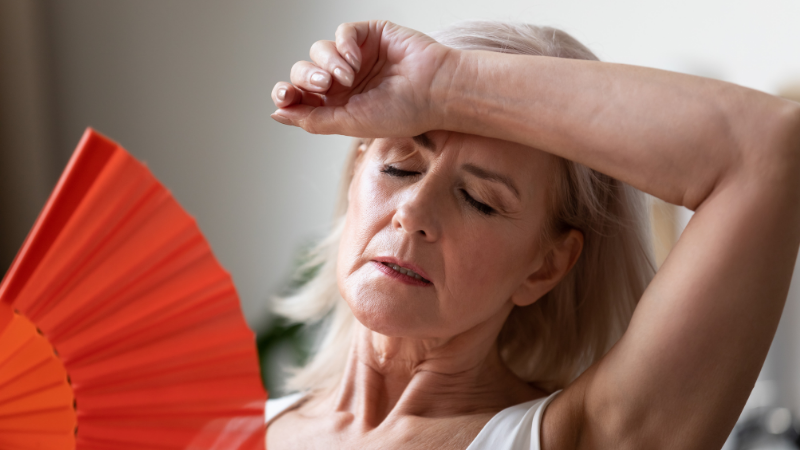
What Are the Most Common Menopause Symptoms?
Menopause is reached after 12 months without a menstrual period. The years leading up to menopause are called perimenopause, when symptoms often begin. Common symptoms include irregular periods, hot flashes, sleep problems, mood changes, and vaginal dryness.
Many women also notice:
night sweats
brain fog
anxiety or irritability
weight gain or body composition changes
fatigue
joint or muscle discomfort
palpitations
urinary symptoms
These symptoms can come and go. Some are mild. Others interfere with sleep, work, relationships, and daily life.
It is also important not to assume every symptom is “just menopause.” Sleep apnea, thyroid disease, depression, anxiety, medication effects, allergies, heart rhythm issues, and blood sugar changes can overlap with menopause symptoms.
How Does Menopause Affect Blood Sugar and Cholesterol?
Midlife is often when women first notice changes in A1c, fasting glucose, LDL cholesterol, blood pressure, or waist size.
Menopause does not directly cause heart disease, but cardiovascular risk rises at and around menopause. The American Heart Association notes that this stage is an important time to focus on heart health.
This is especially important for women with:
prediabetes
type 2 diabetes
high LDL cholesterol
high blood pressure
abdominal weight gain
family history of heart disease
history of early menopause
From a lifestyle medicine perspective, insulin resistance and LDL cholesterol are two key factors to address for heart health during menopause. Insulin resistance can raise blood sugar and increase cardiometabolic risk, while LDL cholesterol contributes to plaque buildup in the arteries. A diet that supports insulin sensitivity and lowers LDL can help protect long-term heart health.

What Is the Best Diet for Menopause?
At RLMI, we emphasize a low-fat, whole-food plant-based pattern centered on:
vegetables
fruits
beans, lentils, chickpeas, and peas
intact whole grains
whole soy foods, especially soybeans and edamame
herbs, spices, citrus, and vinegars for flavor
This way of eating is naturally high in fiber and low in saturated fat. Fiber helps slow glucose absorption, supports gut health, and can help lower LDL cholesterol. Reducing saturated fat can also improve LDL levels and support better insulin sensitivity. The same dietary pattern can also support many concerns women notice during menopause, including weight management, energy, cravings, blood pressure, and blood sugar stability.
In practice, this means building meals around whole plant foods while reducing foods most likely to work against metabolic health: meat, dairy products, added oils, sugary drinks, and highly processed foods. Many women also find that reducing alcohol and excess caffeine helps with sleep, hot flashes, and anxiety.
Can Soy Help With Hot Flashes?
Soy may help some women, especially when it is part of a low-fat, plant-based diet.
The WAVS trial studied a low-fat vegan diet that included ½ cup of cooked soybeans daily. The study found that this combination was associated with fewer and less severe hot flashes, along with improved menopause-related quality of life.
Physicians Committee for Responsible Medicine (PCRM) summarizes this research as a plant-based diet rich in soy that reduced moderate-to-severe hot flashes by 84%, from nearly five per day to fewer than one per day.
Michael Greger, MD, emphasizes that soy is most useful to think about as food, not as a stand-alone supplement.
For women trying this approach, the simplest place to start is the same food used in the WAVS trial: cooked whole soybeans. Edamame can be another practical, and delicious, whole-soy option.
What Lifestyle Habits Help During Menopause Besides Diet?
Food is foundational, but menopause care is not only about diet.
Helpful lifestyle steps include:
walking after meals to support blood sugar
strength training to preserve muscle and bone health
building a consistent sleep schedule
reducing alcohol, especially if it worsens hot flashes or sleep
using breathing, journaling, meditation, prayer, yoga, or time in nature to reduce stress
seeking social support instead of trying to make changes alone
When Should Menopause Symptoms Be Checked by a Clinician?
Menopause is normal, but symptoms should still be taken seriously.
Talk with a clinician if you have:
symptoms that interfere with daily life
heavy or unusual bleeding
any bleeding after menopause
chest pain, fainting, or severe shortness of breath
severe palpitations
sudden neurologic symptoms
severe depression or anxiety
menopause symptoms before age 40
persistent vaginal dryness or urinary symptoms
rapid weight changes or severe fatigue
A useful menopause visit should include both symptom support and prevention. Ask about blood pressure, cholesterol, blood sugar, bone health, cancer screening, mental health, sleep, and cardiovascular risk.
Helpful Menopause and Lifestyle Medicine Resources
RLMI Lifestyle Medicine Grand Rounds
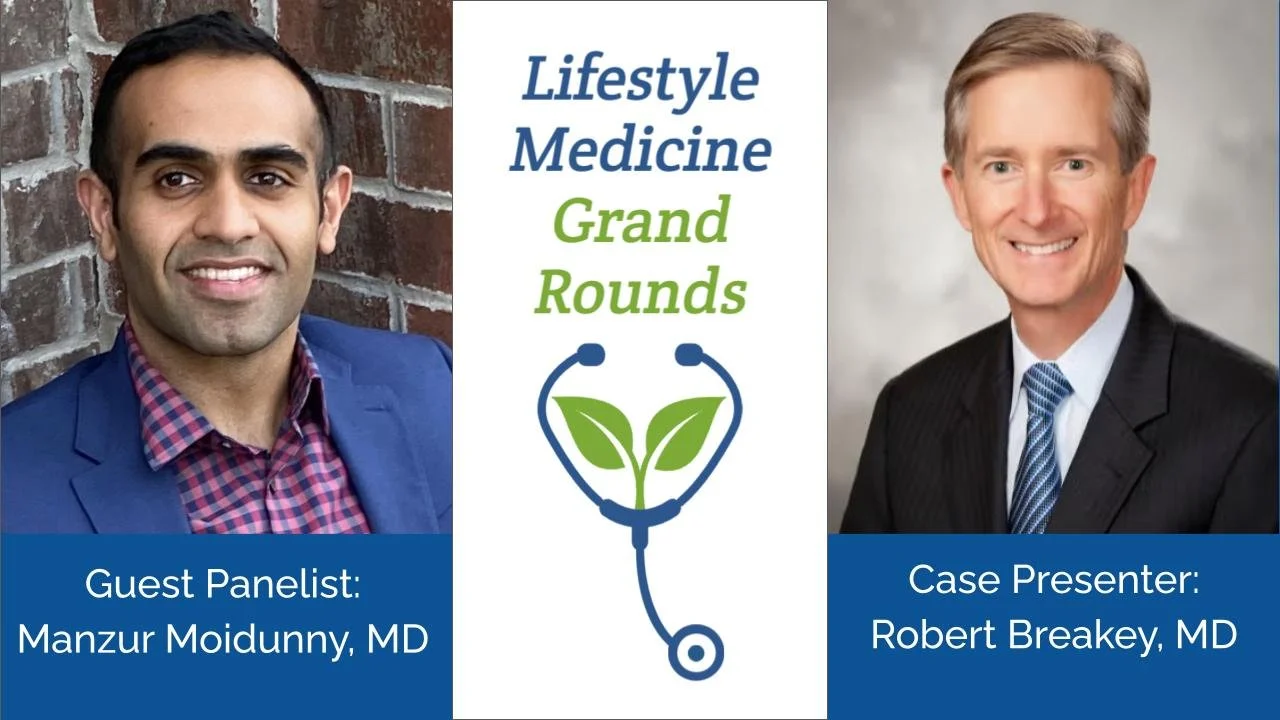
Overwhelmed to Empowered: A 52-Year-Old Woman’s Rescue
Upcoming: Tuesday, June 16, 2026 — Register Here
Robert Breakey, MD, and an expert panel including Manzur Moidunny, MD, will discuss the case of a 52-year-old woman facing multiple health challenges during the menopause transition.
The case will explore how inactivity, chronic stress, the standard American diet, and poor-quality sleep can come to a head at midlife, and how lifestyle medicine can help women make changes now on behalf of their future selves.
One AMA PRA Category 1 Credit™ and IBLM credit are provided free for clinicians who attend the live session.

Lifestyle Medicine for ADHD, Anxiety, and Menopausal Symptoms
Tuesday, December 16, 2025 — Watch Here
Dr. Asha Subramanian joined Grand Rounds to explore a case involving menopausal symptoms, ADHD, anxiety, sleep disruption, brain fog, cravings, mood changes, and cardiometabolic concerns. The case is useful for readers and clinicians who want to understand how symptoms can overlap, and why a whole-person approach matters.
RLMI’s Programs & Community
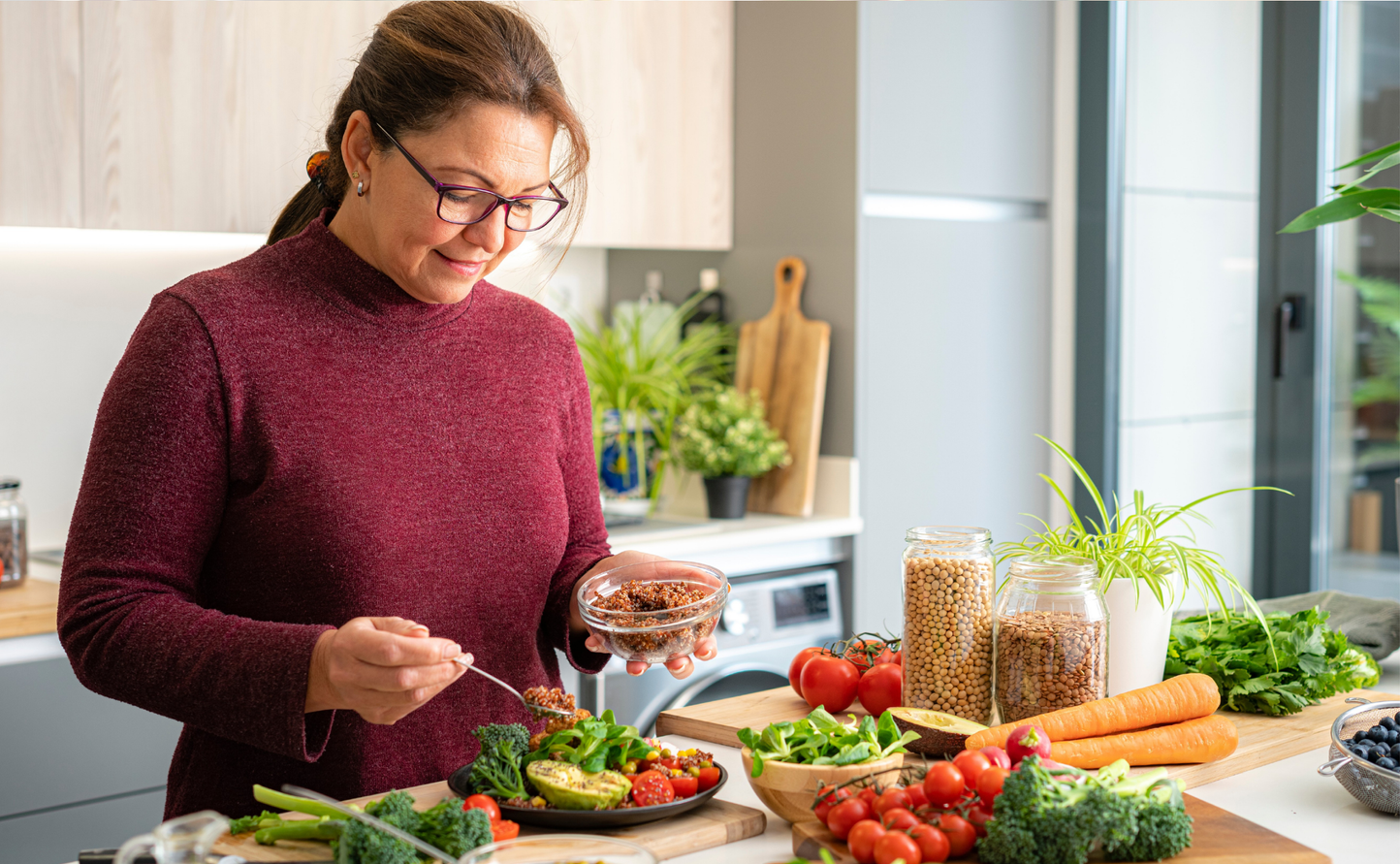
15-Day Whole-Food Plant-Based Jumpstart
Join Live or On-Demand — Learn More
A structured way to try a low-fat, whole-food plant-based approach with education, practical tools, and support.
The RLMI Community
Get access to live support meetings, discussion groups, event recordings, and other premium content — Try It Free
Recipes, education, event recordings, live support, and connection for people interested in plant-based nutrition and lifestyle medicine.
Moving Medicine Forward Master Class in Plant-Based Clinical Nutrition
12 Lessons Led by Dr. Klaper — Learn More
Designed for physicians, medical students, and health professionals who want to better understand how whole-food plant-based nutrition can be used in clinical care. The course includes lectures, Q&A videos, case studies, citations, references, and slide PDFs.
Additional Menopause and Plant-Based Nutrition Resources
Your Body in Balance
Neal Barnard, MD — Read the Book
A helpful book on food, hormones, menopause symptoms, metabolism, diabetes, thyroid health, and hormone-related conditions.
Fighting Hot Flashes With Diet
Physicians Committee for Responsible Medicine — Learn More
A practical introduction to the WAVS research on a low-fat plant-based diet, soybeans, and hot flashes.
How to Delay the Age of Menopause with Diet and Lifestyle Factors
Video by Nutritionfacts.org — Watch Here
Approximately half of the variability of age of menopause among women is explained by genetics. What behaviors or circumstances can help explain the rest?
