
Top Tips for Staying Active in Winter
Why Movement Matters for Mental Health—and How to Keep It Up When It’s Cold

Winter can make movement harder. Shorter days, colder temperatures, and icy conditions often lead to less activity just when many people notice lower mood, energy, and motivation.
From a lifestyle medicine perspective, this seasonal slowdown matters. Physical activity is one of the most effective, evidence-based ways to support both mental and physical health, especially during the winter months.
This post focuses on two things:
why staying active in winter is so important for emotional wellbeing, and
how to keep moving in realistic, sustainable ways when the weather is working against you.
How Physical Activity Supports Mental Health
Physical activity is the second pillar of lifestyle medicine, and its benefits extend well beyond fitness. Regular movement helps regulate stress hormones, supports brain chemistry, improves sleep, and reduces inflammation. These effects work together to support mood, resilience, and emotional balance.
Clinicians speaking during recent Lifestyle Medicine Grand Rounds, hosted by Rochester Lifestyle Medicine Institute, highlighted a key takeaway that’s easy to understand: for many people, regular physical activity improves mood as much as, or more than, other common first-line approaches.
If you’d like to explore these real-world examples further, you can watch the full Lifestyle Medicine Grand Rounds recordings in the RLMI Community to see how clinicians integrate physical activity into care plans for mood and mental health challenges.


In these case-based discussions, physical activity was not treated as an optional add-on, but as a core intervention. Movement was often combined with other lifestyle strategies—such as improved sleep, social connection, and stress management—to support patients struggling with low mood, chronic pain, and emotional exhaustion. These sessions highlight how lifestyle medicine is applied in real clinical settings to address mental health concerns in a holistic, sustainable way.
Why Winter Makes Movement Harder
Winter introduces real barriers to staying active:
Less daylight, which can disrupt circadian rhythms
Cold temperatures that increase physical discomfort
Snow and ice that limit outdoor options
Lower motivation that often accompanies seasonal mood changes
These challenges are not personal failures. They are predictable environmental factors. Lifestyle medicine focuses on adapting habits to the season, rather than forcing unrealistic expectations.

Practical Ways to Stay Active in Winter
The goal is not perfection. It’s consistency with flexibility.
1. Choose Indoor Movement That Isn’t Weather-Dependent
On days when outdoor activity isn’t practical, indoor movement keeps momentum going. Bodyweight exercises, yoga, Pilates, resistance bands, or short movement breaks throughout the day all count. Even brief, at-home sessions can meaningfully improve mood and energy.
2. Make Outdoor Activity More Comfortable
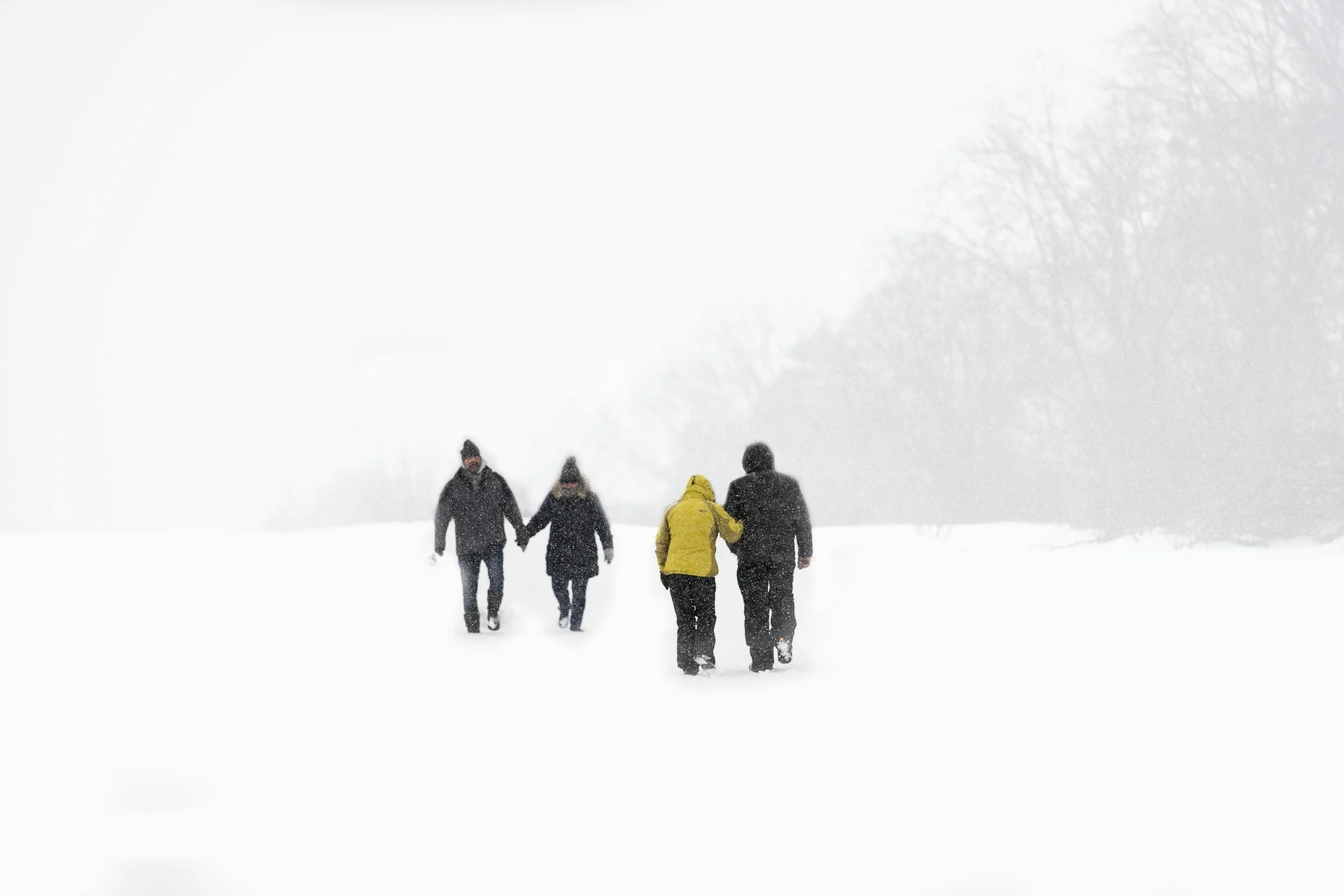
When conditions allow, the right clothing can make a big difference. Dressing in layers, protecting hands and feet, and choosing footwear with good traction can make winter walks or outdoor movement far more manageable. Slower, shorter outings are still beneficial.
3. Shift the Goal From “Fitness” to “Feeling Better”
In winter, it helps to reframe movement as a mood-support tool rather than a performance goal. Instead of asking whether a workout was intense enough, ask whether you feel a bit better afterward. Often, motivation follows movement, not the other way around.
4. Build Movement Into Daily Routines
Movement doesn’t have to be a separate event. Stretching while waiting for coffee, walking after meals, or doing gentle mobility work before bed can reduce friction and support consistency during colder months.
5. Use Structure and Social Support
Lifestyle medicine case discussions repeatedly show that support and accountability matter. Movement is easier to sustain when it’s shared. That might mean walking with a friend, joining a virtual class, or participating in a structured program.
Programs like RLMI’s Lift Project are designed to help people build and maintain mood-supporting habits, including physical activity, in a supportive group setting. For those who have already completed Lift, Flourish offers a way to continue applying these habits in everyday life.
Supporting Mental Health Beyond Movement
While physical activity plays a central role, it doesn’t operate in isolation. Mood and motivation influence movement just as much as movement influences mood. During winter, it can be helpful to support mental well-being in other ways as well, creating a positive feedback loop that makes staying active feel more achievable over time.
Other supportive strategies include:
Vitamin D supplementation during low-sunlight months (discuss with your healthcare provider)
Prioritizing social connection, even in small ways
Spending time outdoors when possible, even briefly
These elements work together. Movement strengthens the impact of the others.
Moving Forward This Winter
Staying active in winter is about working with the season, not fighting it. Small, consistent steps can support mood, energy, and resilience when they’re needed most.
If you’d like additional support:
Explore the Lift Project to learn how lifestyle medicine principles are applied to mood and well-being in a guided group program
Join the RLMI Community to access lectures, case discussions, and ongoing education around lifestyle medicine and mental health
Movement may look different in winter, but its benefits remain just as powerful.
