
Finding Your Purpose
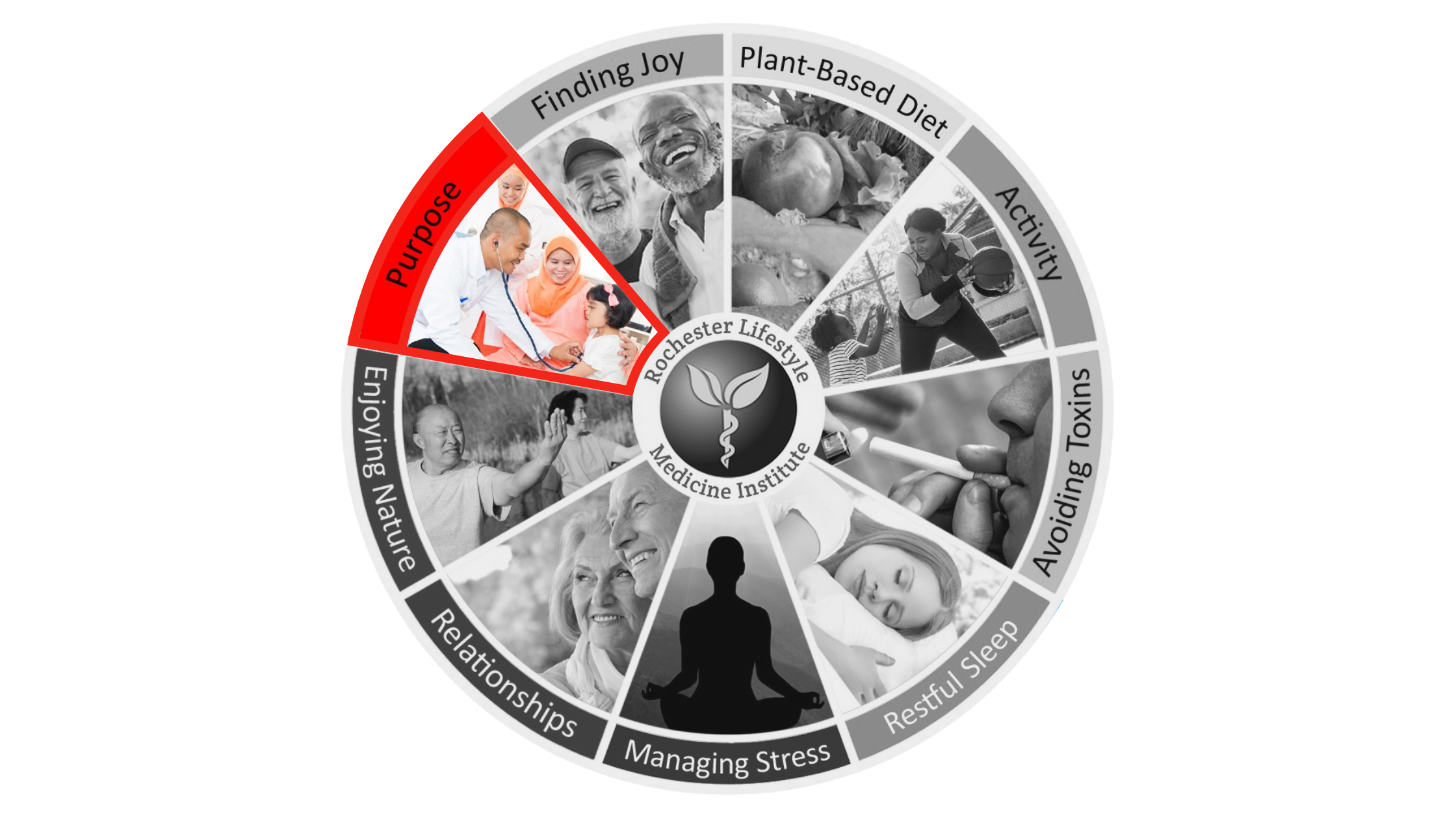
The Eighth Pillar of Lifestyle Medicine
Key Takeaways
A sense of meaning is a core contributor to mental and emotional well-being
Meaning influences daily behaviors, resilience, and long-term health
It works best in combination with the other pillars of Lifestyle Medicine
Meaning can be cultivated over time through connection, reflection, and contribution
Why Meaning Matters
Lifestyle Medicine defines health not only as the absence of disease, but as the presence of well-being. From this perspective, meaning plays an important role.
Research across psychology, neuroscience, and public health suggests that people who feel their lives have meaning tend to experience better mental health, greater resilience during stress, and healthier daily habits. Meaning often provides the underlying why behind behavior change, shaping how people care for themselves over time.
Rather than being abstract or philosophical, meaning shows up in everyday choices. It can influence how consistently someone moves their body, how connected they feel to others, and how they respond during difficult seasons of life.

Purpose as Part of a Whole Lifestyle Approach
Within Lifestyle Medicine, the pillars are designed to work together. Meaning does not replace nourishing food, physical activity, sleep, or social connection. Instead, it reinforces them.
When people feel connected to something that matters to them, they are often more likely to:
Maintain healthy routines
Stay engaged with supportive communities
Navigate setbacks with perspective
Make choices aligned with long-term well-being
In this way, meaning helps sustain changes made across the other pillars, especially during times when motivation feels low.
From Mending Misery to Positive Psychology
The science of meaning has been shaped in part by the field of positive psychology, which emerged to complement traditional approaches focused solely on treating illness.
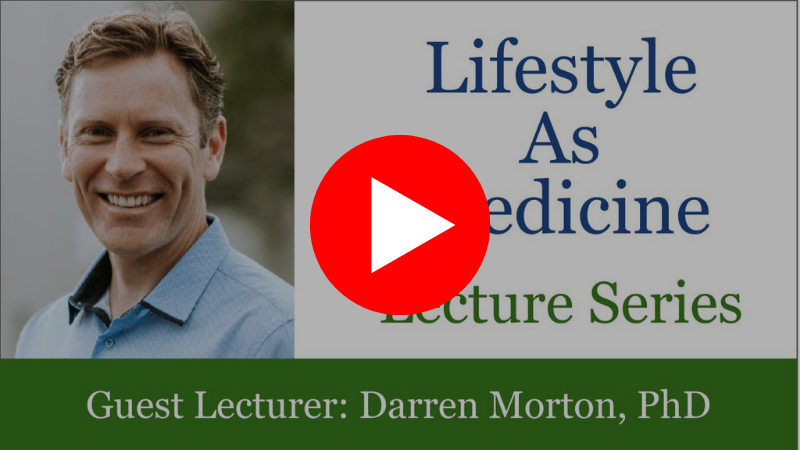
In his Lifestyle as Medicine Lecture, Making It Meaningful, Dr. Darren Morton reflects on this shift, describing how the field began asking not only how to reduce suffering, but how to help people function at their best. He explores how contribution, connection, and perspective influence well-being, mental health, and everyday behavior.
Watch the full lecture:
This discussion fits naturally alongside other Lifestyle Medicine pillars by helping connect what we do for our health with why those actions matter to us personally.
Meaning and Mental Well-Being
Feeling disconnected or unsure of direction is common, particularly during periods of stress, depression, or emotional fatigue. A lack of meaning is often not a character flaw, but a signal that foundational needs may be out of balance.
Importantly, meaning does not have to be dramatic or fixed. It often emerges through everyday roles, relationships, creative interests, learning, caregiving, service, or simply feeling more engaged with life. Small acts of contribution and connection can be just as significant as long-term goals.

Moving Forward With Purpose
Meaning does not always arrive fully formed. For many people, it becomes more accessible as other foundations of health begin to strengthen.
Small, supportive steps across the pillars of Lifestyle Medicine—such as improving sleep, rebuilding social connection, moving your body, or spending time in nature—can help create the mental and emotional space needed for meaning to take shape over time.
If you’d like additional support:
Explore the Lift Project to learn how lifestyle medicine and positive psychology principles are applied to mood, resilience, and well-being in a guided group program
Join the RLMI Community to access lectures, discussions, and ongoing education across all nine pillars of Lifestyle Medicine
Meaning is not something you have to figure out all at once. It often grows alongside health, connection, and daily habits that support overall wellbeing.
