
The Portfolio Diet: A Targeted Approach to Lowering LDL Cholesterol
How this evidence-based eating pattern compares to a very-low-fat, whole-food plant-based approach

Key Takeaways
The Portfolio Diet is a research-backed eating pattern shown to significantly lower LDL (“bad”) cholesterol.
It works by intentionally combining several foods that each independently reduce cholesterol.
Clinical trials show LDL reductions of roughly 15–30% when followed closely.
Rochester Lifestyle Medicine Institute’s Jumpstart diet and the Portfolio Diet share a plant-forward foundation, but differ in fat targets and clinical focus.
Both approaches highlight the power of food as first-line therapy for cardiovascular risk.
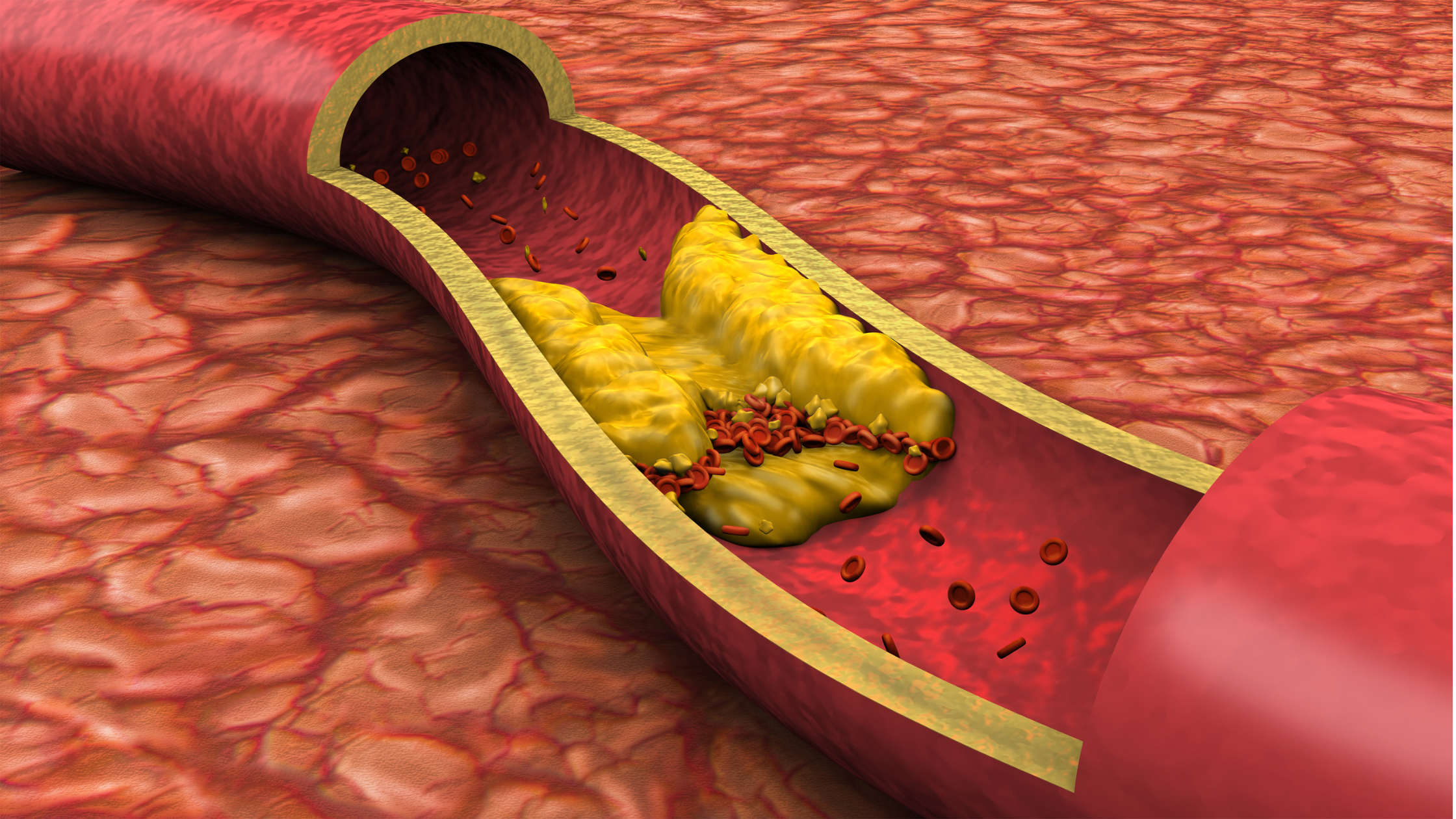
Why LDL Cholesterol Matters
LDL cholesterol is the primary driver of atherosclerotic cardiovascular disease, the leading cause of death worldwide. When it comes to LDL, the evidence is remarkably consistent: lower is better, with no known threshold below which additional LDL lowering ceases to provide benefit.
This understanding has traditionally led to widespread use of statin medications. While statins can be highly effective, they are not without drawbacks, and are generally reserved for individuals for whom the projected benefit outweighs potential risks. This raises an important question central to Lifestyle Medicine:
What if safe, accessible, food-based strategies could meaningfully lower LDL for everyone?
The Portfolio Diet was developed to answer that question.
What Is the Portfolio Diet?
The Portfolio Diet is an evidence-based eating pattern designed specifically to lower LDL cholesterol. Rather than focusing on restriction, it emphasizes addition: building a daily “portfolio” of foods that actively reduce cholesterol through different biological mechanisms.
The concept was developed by Canadian researcher Dr. David Jenkins, who demonstrated that when these foods are combined, their cholesterol-lowering effects are additive.
In clinical trials, the Portfolio Diet has produced LDL reductions comparable to those seen with first-generation statin therapy, particularly when adherence is high.
While the Portfolio Diet does not require complete elimination of animal products, its cholesterol-lowering effects depend in part on replacing saturated fat-rich foods with plant-based alternatives, a principle that is further emphasized in Rochester Lifestyle Medicine Institute’s (RLMI) very-low-fat Jumpstart approach.

The Core Components of the Portfolio Diet
The Portfolio Diet centers on four primary food categories, each with well-documented LDL-lowering effects.
1. Soluble (Viscous) Fiber
Soluble fiber binds bile acids in the digestive tract, prompting the body to pull cholesterol from the bloodstream to replace them.
Common sources include:
Oats and barley
Beans and lentils
Psyllium husk
Eggplant and okra
Typical Portfolio targets are approximately 20 grams of viscous fiber per day.
2. Plant Sterols and Stanols
Plant sterols reduce cholesterol absorption in the intestine by competing with cholesterol for uptake in the gut.
Small amounts of these phytosterols occur naturally in a wide range of whole plant foods, including:
Fruits
Vegetables
Legumes
Nuts
Whole grains
Wheat germ
In Portfolio Diet studies, clinically meaningful LDL reductions were achieved with a daily intake of about 2 grams, which typically required the use of sterol-fortified foods or supplements.
3. Plant Protein (Especially Soy)
Replacing animal protein with plant protein—particularly soy—has been shown to reduce LDL cholesterol.
Common sources include:
Tofu and tempeh
Soy milk
Edamame
Beans and legumes
Target intake is often around 50 grams of plant protein daily.
4. Nuts and Seeds
Regular nut consumption improves lipid profiles when nuts replace calories from animal-based foods.
Common choices include:
Almonds
Walnuts
Pistachios
Mixed nuts and seeds
Typical recommendation: ~45 grams per day (about a small handful).

What the Research Shows
Controlled trials published in leading medical journals demonstrate that the Portfolio Diet can lower LDL cholesterol by approximately 5–10% per component, for a total reduction approaching 30% when all components are combined.
Notably:
Improvements are often seen within 4–6 weeks
Benefits occur even without weight loss
Adherence strongly predicts outcomes
This reinforces a core principle of Lifestyle Medicine: dietary patterns matter more than isolated changes.
How Does the Portfolio Diet Compare to RLMI’s Jumpstart Diet?
At Rochester Lifestyle Medicine Institute, the 15-Day Jumpstart program emphasizes a very-low-fat, whole-food plant-based (VLF-WFPB) dietary pattern, consistent with therapeutic approaches used in the reversal of cardiovascular disease. While the Portfolio Diet and Jumpstart share important similarities, they differ in emphasis and clinical application.
Shared Foundations
Both approaches:
Prioritize plant-rich foods
Limit dietary cholesterol and saturated fat
Emphasize whole, minimally processed foods
Are supported by strong evidence for cardiovascular risk reduction

Key Differences
Fat Intake
Portfolio Diet: Includes moderate amounts of fat from nuts, seeds, avocado, and oils (particularly monounsaturated fats).
Jumpstart: Minimizes added fats and oils to rapidly reduce insulin resistance and cardiometabolic burden.
Clinical Focus
Portfolio Diet: Specifically targets LDL cholesterol reduction.
Jumpstart: Targets multiple cardiometabolic markers simultaneously, including cholesterol, blood pressure, blood glucose, and weight.
Use of Fortified Foods or Supplements
Portfolio Diet: Often relies on plant sterol–fortified foods or supplements.
Jumpstart: Focuses on whole foods without routine supplementation beyond standard clinical guidance.
In practice, many clinicians view the Portfolio Diet as a therapeutic cholesterol-lowering strategy, while Jumpstart serves as a broad metabolic reset grounded in the first Pillar of Lifestyle Medicine: plant-based nutrition.
Expanding the Portfolio: Insights from Dr. Michael Greger
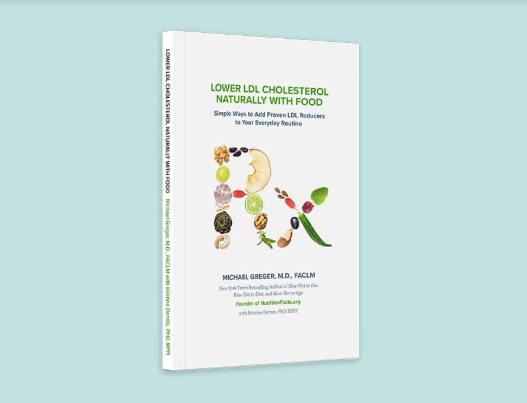
In Lower LDL Cholesterol Naturally with Food, Dr. Michael Greger and Dr. Kristine Dennis build on the original Portfolio Diet concept, outlining additional foods and safe supplements shown to lower LDL by at least 10 mg/dL.
Their work reinforces several key ideas:
LDL reduction has a dose-response relationship with cardiovascular risk
Everyone benefits from lower LDL, regardless of medication use
Food-based strategies can be layered for greater effect
The book translates complex research into practical, everyday strategies, making it a useful companion for individuals seeking to personalize their approach.
Which Approach Is Right for You?
The best dietary strategy is one that aligns with your health goals, medical needs, and ability to sustain change.
Individuals with isolated LDL elevation may benefit from a Portfolio-style emphasis.
Those with multiple cardiometabolic risk factors often see broader benefits from a very-low-fat, whole-food plant-based approach like Jumpstart.
Many people ultimately blend principles from both over time.
What matters most is consistency, support, and a foundation rooted in evidence.
Moving Forward with Lifestyle Medicine
The Portfolio Diet and RLMI’s Jumpstart program illustrate the same powerful truth: food is not just fuel, it’s medicine.
By centering meals around whole plant foods and using evidence-based strategies, individuals can dramatically reduce cardiovascular risk while improving overall well-being.
For those ready to take the next step:
Explore RLMI’s 15-Day Whole-Food Plant-Based Jumpstart
Join the RLMI Community for ongoing education and support
Work with a health coach to tailor dietary strategies to your personal health profile
Small, intentional changes—applied consistently—can produce meaningful, lasting results.
