
How Much Protein Do You Really Need? Why More Isn’t Always Better
A practical guide to getting enough protein for muscle, weight management, healthy aging, and whole-body health.
We are in a protein death spiral. Walk down almost any supermarket aisle and “PROTEIN” jumps out from package after package. Food manufacturers know consumers associate protein with health, while consumers see it everywhere and conclude it must be the nutrient they need to worry about.
But is protein something most Americans aren't getting enough of? Hardly.
True protein deficiency is extraordinarily uncommon among Americans eating enough calories.
Key Takeaways
Most Americans already consume more protein than the current RDA.
Your protein needs depend somewhat on age, activity and goals, but “more” does not mean unlimited additional benefit.
Resistance training matters more for building and preserving muscle than simply adding protein.
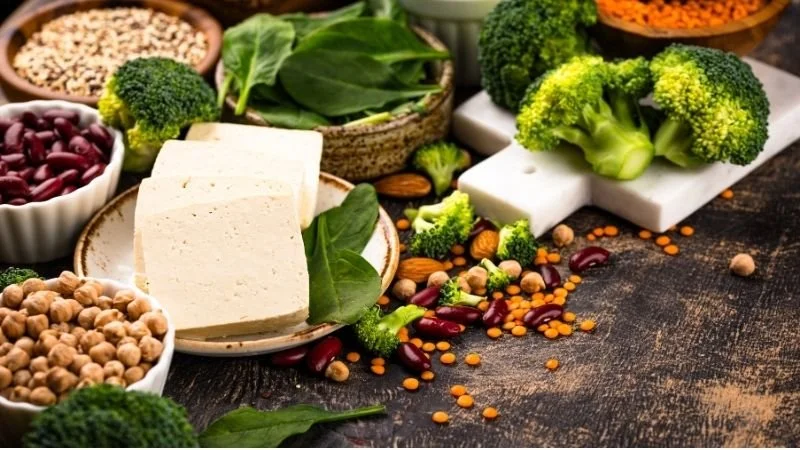
Whole plant foods can provide adequate protein, including for active people.
Protein is only one feature of a food. Fiber, saturated fat, calorie density and overall diet quality matter too.
You usually don't need foods engineered specifically to be “high protein.”
How Much Protein Do You Actually Need Per Day?
For most healthy adults, the Recommended Dietary Allowance (RDA) for protein is 0.8 grams per kilogram of body weight per day, or about 0.36 grams per pound.
Find out how much protein the USDA recommends for you.
The National Academies of Sciences, Engineering, and Medicine defines the RDA as “the average daily dietary intake level that is sufficient to meet the nutrient requirement of nearly all (97 to 98 percent) healthy individuals.”
So while protein advice is often framed as though the RDA is a floor that health-conscious people should try to exceed, Stanford nutrition researcher Christopher Gardner, PhD points out that the estimated average requirement is closer to 0.30 g per pound.
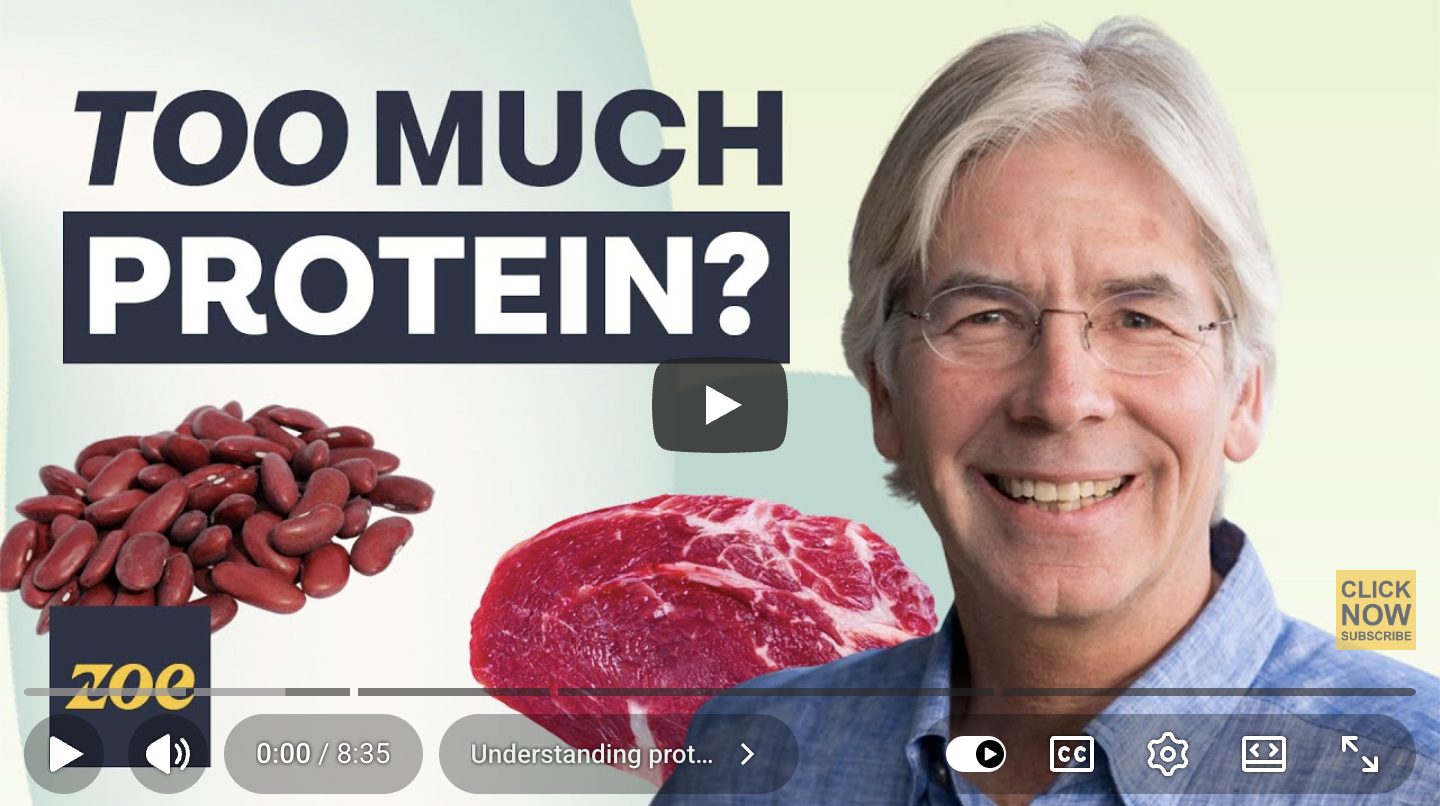
Meanwhile, National Health and Nutrition Examination Survey (NHANES) data shows that the average U.S. protein intake is coming in at roughly 0.69 g per pound, nearly twice the RDA and more than twice the estimated average requirement.
Do You Need More Protein to Build or Preserve Muscle?
Okay, so maybe you are getting enough protein to meet your daily recommended intake, according to the USDA. But what about what your personal trainer or fitness coach is telling you?
You may have heard that if you really want to build muscle or preserve strength as you age, you should be aiming much higher, sometimes around 0.54 g per pound (1.2 g/kg) or up to 0.73 g per pound (1.6 g/kg).
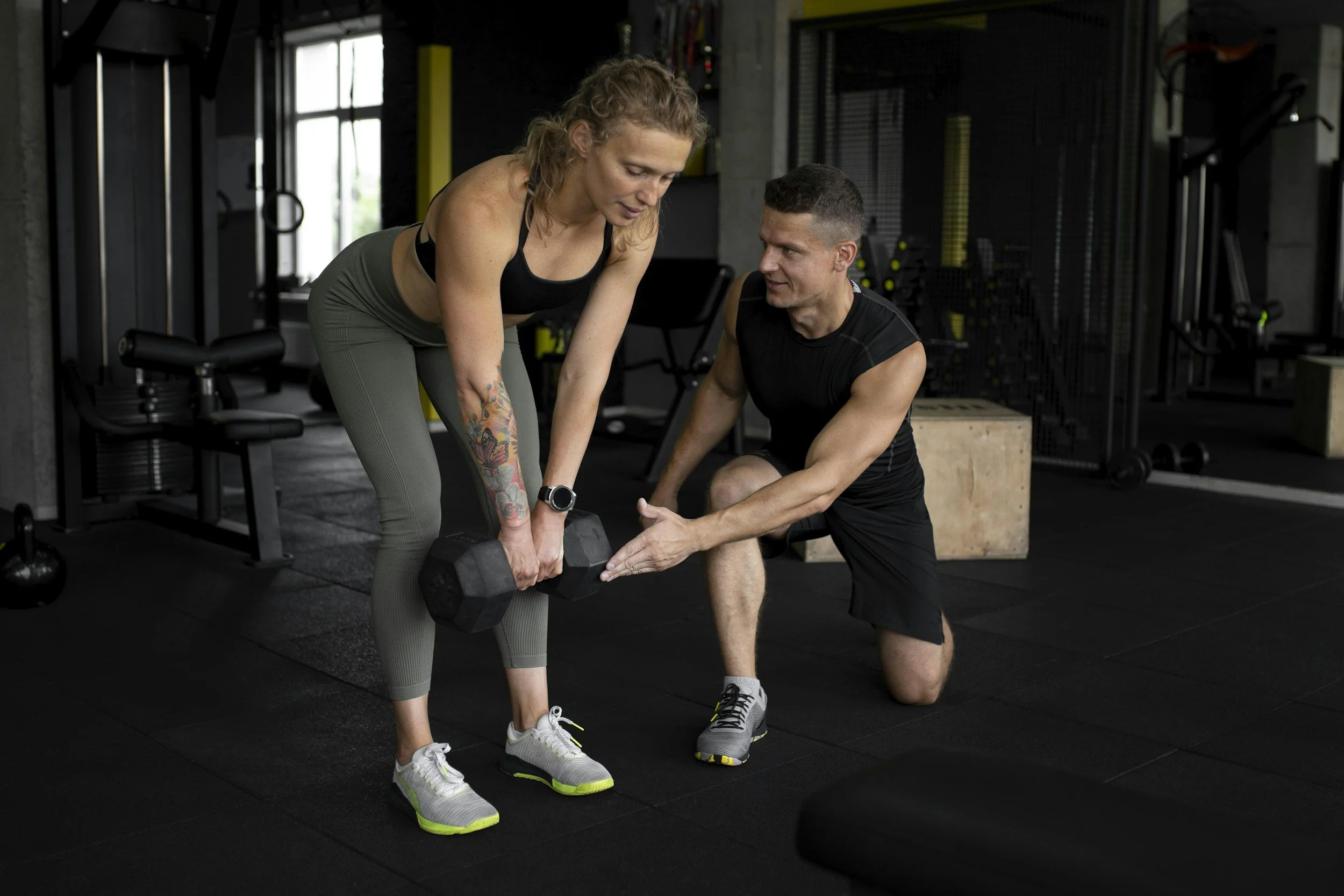
There is evidence that eating more than the RDA can modestly improve muscle gains when paired with resistance training. But the benefit appears to level off around that higher range rather than continuing to increase with more and more protein.
The good news is, according to the NHANES data, the average American is already eating close to the upper end of the range for maximizing muscle growth.
And if your training raises your protein needs, it generally raises your energy needs too. Eat more food to fuel that activity, and your protein intake rises naturally.
“Athletes and people doing resistance training may need somewhat more protein, but they will naturally eat more calories and will get more protein that way, if they are eating whole plant foods.”
More importantly, using your muscles matters more than simply feeding them more protein. Protein supplies the building materials. Resistance exercise gives your body a reason to use them.
Older adults who are struggling to eat enough may need more individualized nutrition guidance. But for most healthy adults, getting stronger is more about doing the strength training and eating enough food to support it than finding another way to add protein.
Does More Protein Help With Weight Loss?
Maybe it isn’t muscle growth or preservation that you’re focused on so much as losing body fat.
You may have heard that more protein will help you feel full longer, making it easier to eat less and lose weight. But protein alone does not make a meal satisfying.
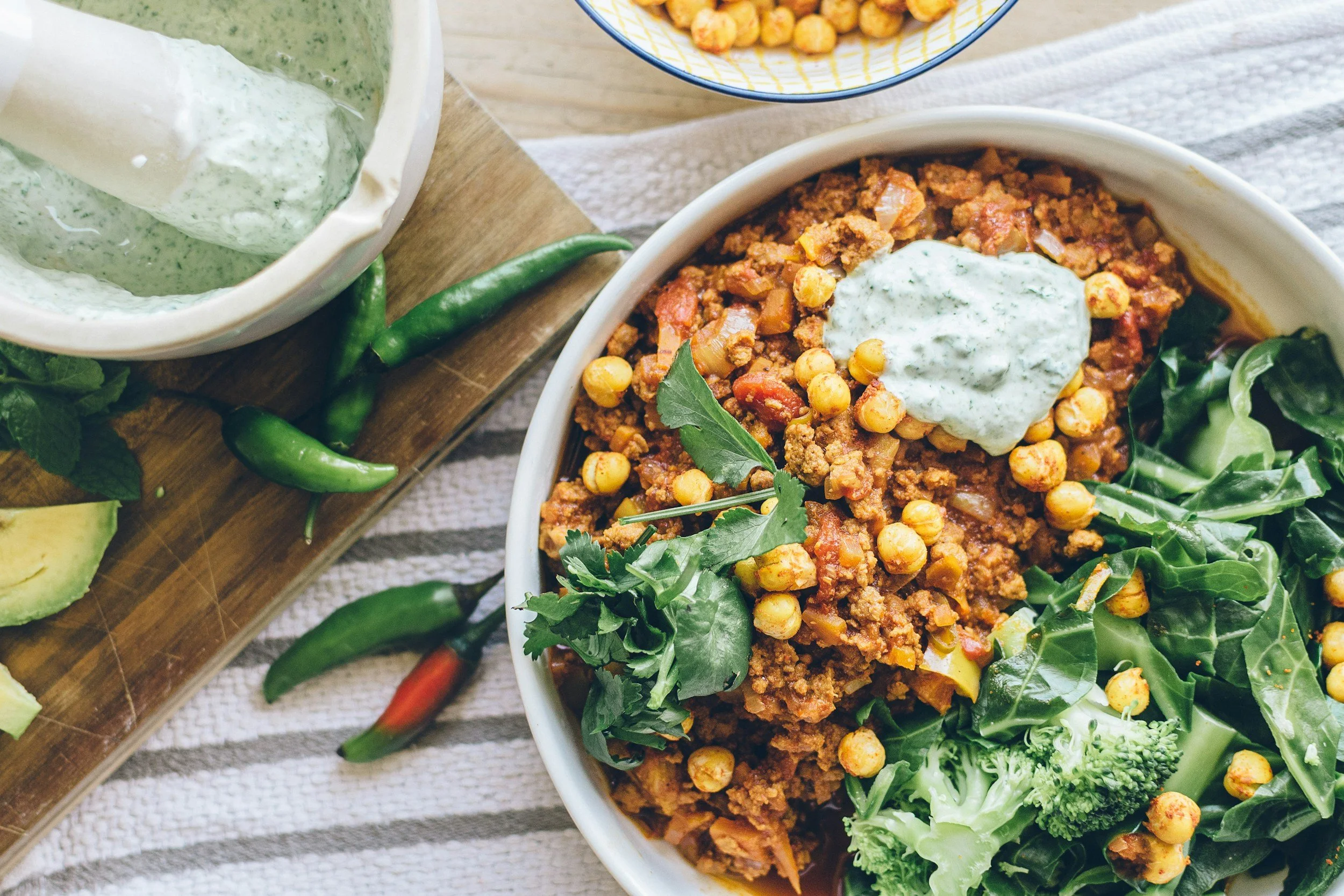
A low-fat, whole-food plant-based eating pattern emphasizes foods that are high in fiber and water and relatively low in calorie density, so you can eat satisfying portions without needing to count every calorie.
A tiny “high-protein” snack is still a tiny snack. If it does not provide enough food, volume, fiber, or overall nutrition to satisfy you, adding more protein does not magically turn it into a filling meal.
There also seems to be a common assumption that all the protein you eat simply goes straight to your muscles. It doesn’t.
Your body has no dedicated storage depot for excess protein. When amino acids are not needed to build or repair tissue, they are broken down. The nitrogen is removed and excreted, while the remaining components can be used for energy and, when overall energy intake exceeds your needs, can contribute to fat storage.
So if body composition is your goal, focus first on overall diet quality and resistance exercise.
Can You Get Enough Protein on a Whole-Food Plant-Based Diet?
Yes.
Plant foods contain all nine essential amino acids. The proportions vary somewhat between foods, but when you eat enough calories from a variety of whole plant foods, that generally does not create a practical protein problem.
“Build your diet around a variety of whole plant foods and eat enough calories, and getting enough protein is not difficult. You’ll also get plenty of fiber, vitamins, minerals and phytochemicals.”
What does that actually look like?
Take a hypothetical 50-year-old woman who is 5'6", weighs 140 pounds, and is lightly active. The USDA DRI Calculator estimates that she needs about 2,103 calories per day.
Here is roughly that amount of food from an ordinary whole-food plant-based day:
| Meal | Example | Calories | Protein |
|---|---|---|---|
| Breakfast |
Oats, strawberries & ground flax |
496 | 17.6g |
| Lunch | Quinoa, black bean & spinach salad | 588 | 22.8g |
| Dinner | Lentil & vegetable stew | 534 | 34.2g |
| Snack | Oil-free hummus & large sweet potato | 381 | 13.2g |
| Fruit | Banana | 105 | 1.3g |
| Total | — | 2,104 | 89g |
This day provides about 89 grams of protein, or 0.64 g/lb for this 140-pound woman, while her recommended intake is only around 51 grams per day, or 0.36 g/lb.
If she becomes very active, her calorie needs increase to 2,479 per day, and her recommended daily protein intake stays roughly the same, according to the DRI calculator.
But let's say she is striving to build muscle and was advised to strive for that upper end target of 0.73g/lb, or around 102.2 grams of protein per day. Just by eating these same foods in adjusted portions large enough to meet those higher calorie needs, she ends up hitting around 105g of protein per day.
Tempeh might be a nutritious addition if you enjoy it, but as this example shows, there is no need to cram in higher-protein foods simply to hit a protein target.
Eat enough food for your activity level, and protein adds up quickly.
“High Protein” Doesn’t Automatically Mean Healthier
Michael Greger, MD, summarized an important principle during a recent Lifestyle as Medicine lecture:
“Food…is the fundamental unit of nutrition, not nutrients.”
In other words, we should evaluate foods by the whole nutritional package, not by one nutrient singled out on the label.
Consider Protein Slammin’ Strawberry Pop-Tarts. Two pastries provide 10 grams of protein and 380 calories.
For the same 380 calories, our simple strawberry oatmeal would provide about 13.5 grams of protein.
| Nutrition | Protein Pop-Tarts | Strawberry Oatmeal |
|---|---|---|
| Calories |
380 |
380 |
| Protein | 10g | 13.5g |
| Fiber | 1g | 13.2g |
| Saturated Fat | 2g | ~1.2 g |
| Total Sugar | 31g | ~6.7 g |
| Sodium | 270mg | ~34mg |
So despite being marketed specifically as a high-protein food, the Protein Pop-Tarts actually provide less protein per calorie than ordinary oatmeal with strawberries and ground flax. The oatmeal also provides far more fiber, less saturated fat, and much less sugar and sodium.
And in the example day above, the portion of oats slated for breakfast is a little larger still, providing about 17.6 grams of protein without protein powder or added protein.
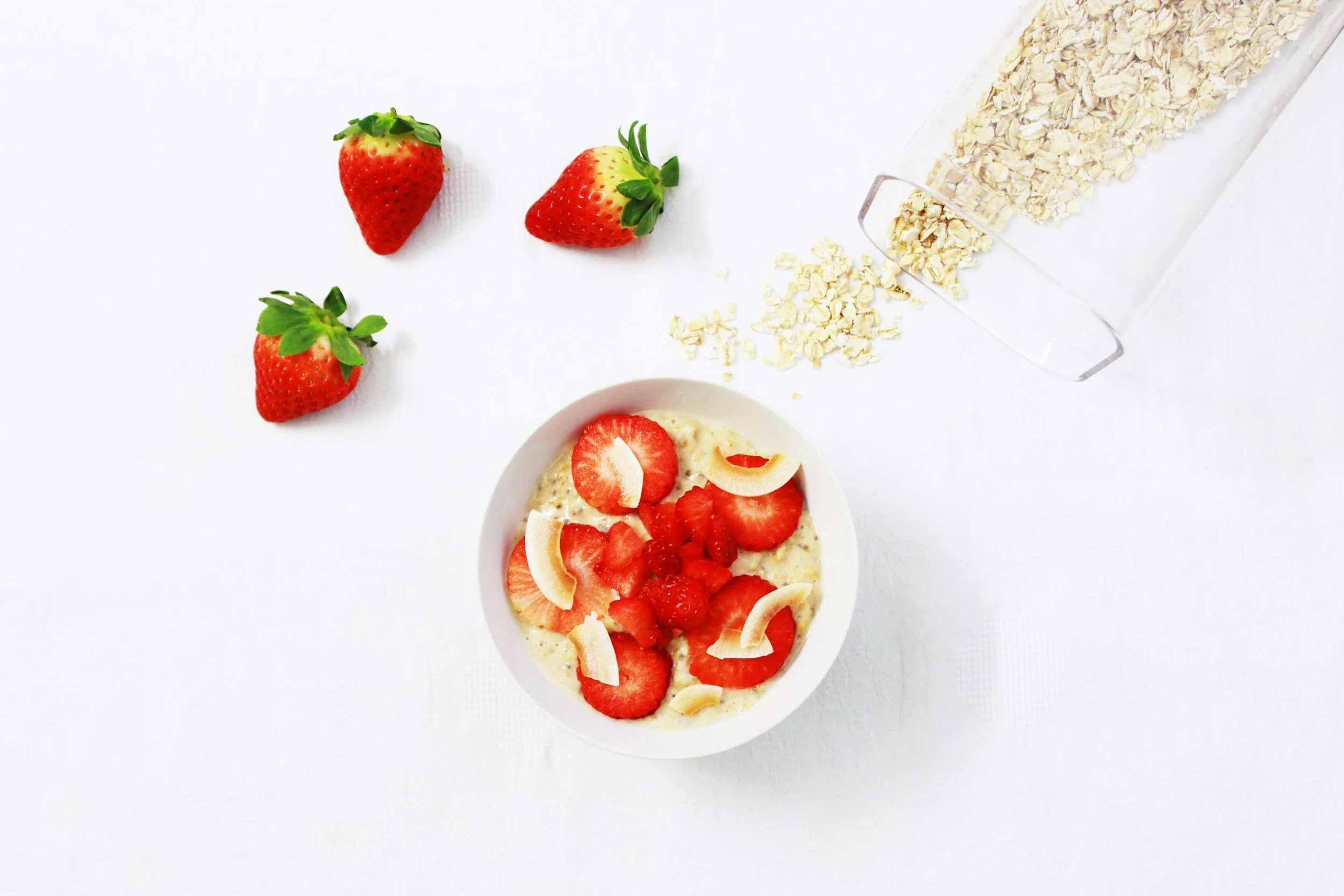
A food does not become healthy simply because the word protein is printed in large letters on the package. Fiber, saturated fat, sodium, vitamins, minerals, calorie density, and the overall dietary pattern all matter too.
So, Do You Need to Prioritize Protein?
For most healthy people eating enough food, probably not.
Find out roughly how much you need. Eat enough to support the activity you are actually doing. Include a variety of whole grains, beans, lentils, vegetables, fruits, nuts, and seeds. And if you want stronger muscles, use them.
Want More Practical, Evidence-Based Health Guidance?
Sign up for the RLMI email list for evidence-based nutrition insights, healthy recipes, upcoming events, and practical support for putting Lifestyle Medicine into action.
Ready to put these ideas into practice? Learn more about RLMI’s 15-Day Whole-Food Plant-Based Jumpstart.
